Types of Ration Card in India
The types of ration card in India are designed to provide subsidized food grains and welfare benefits to eligible households. The five major categories include Antyodaya Anna Yojana (AAY), Priority Household (PHH), Non-Priority Household (NPHH), Below Poverty Line (BPL), and Above Poverty Line (APL) ration cards. Different states may also use colour-coded ration cards such as yellow, white, pink, blue, green, or orange cards to identify beneficiaries and subsidy levels.
Ration Card Categories at a Glance
| Ration Card Type | Intended Beneficiaries | Subsidy Level |
| AAY | Poorest households | Highest |
| PHH | Priority households | High |
| BPL | Below poverty line families | High |
| NPHH | Non-priority households | Moderate |
| APL | Above poverty line families | Limited |
Types of Ration Card in India
The types of ration card in India help governments identify households eligible for food subsidies and welfare benefits. These cards are issued under food security programs to ensure affordable access to essential commodities.
Five Major Types of Ration Card in India
1. Antyodaya Anna Yojana (AAY)
Issued to the poorest households requiring maximum food security support.
2. Priority Household (PHH)
Provided to eligible low-income families under food security programs.
3. Non-Priority Household (NPHH)
Issued to families not classified under priority categories.
4. Below Poverty Line (BPL)
Designed for households living below the poverty line.
5. Above Poverty Line (APL)
Issued to families whose income exceeds poverty thresholds.
What Are the Three Types of Ration Cards?
Many people search for the three most commonly recognized categories.
APL Card
Suitable for families above the poverty line.
BPL Card
Provides greater subsidy support for low-income households.
Antyodaya Card
Offers the highest level of food assistance to vulnerable families.
Although additional categories exist today, these remain widely recognized across India.
Types of Ration Card Colour
The types of ration card colour vary across states and help authorities identify subsidy categories quickly.
Common Colour Categories
| Colour | Common Usage |
| Yellow | BPL or Priority Households |
| White | APL or Non-Priority Households |
| Pink | Priority Families |
| Blue | Subsidized Households |
| Green | Food Security Programs |
| Orange | Special Welfare Categories |
Because state governments follow different classification systems, colour meanings can differ.
BPL Ration Card Colour
The BPL ration card colour is one of the most searched topics among applicants.
Common BPL Card Colours
- Yellow
- Red
- Special welfare colours depending on the state
Why BPL Colours Matter
The BPL ration card colour helps identify families eligible for higher food subsidies and welfare benefits.
PHH Ration Card Explained
The PHH ration card stands for Priority Household ration card.
Who Is Eligible for PHH Cards?
Generally:
- Low-income families
- Agricultural labourers
- Vulnerable households
- Economically weaker communities
PHH Ration Card Benefits
- Subsidized rice
- Subsidized wheat
- Food security assistance
- Access to welfare programs
The PHH ration card is one of the most important categories under food security initiatives.
Which Is Better, APL or BPL?
Many people ask whether APL or BPL is better.
Comparison of APL and BPL Cards
| Feature | APL | BPL |
| Income Level | Above Poverty Line | Below Poverty Line |
| Subsidized Food Benefits | Limited | Higher |
| Welfare Benefits | Moderate | Extensive |
| Eligibility Support | Lower | Greater |
For welfare assistance and food subsidies, BPL cards generally provide more benefits.
Types of Ration Card in Karnataka
The types of ration card in Karnataka are linked to food security eligibility and household economic status.
Common Categories in Karnataka
- PHH Cards
- NPHH Cards
- AAY Cards
Benefits
Eligible households can receive subsidized food grains and participate in various welfare programs.
Understanding the types of ration card in Karnataka helps applicants choose the appropriate category before applying.
Types of Ration Card in Tamil Nadu
The types of ration card in Tamil Nadu differ from many other states because the state uses a distinct categorization system.
Major Categories
- Rice Card
- Sugar Card
- No Commodity Card
- Special Welfare Card
The types of ration card in Tamil Nadu are designed to match household requirements and food preferences.
Types of Ration Card in Maharashtra
The types of ration card in Maharashtra generally depend on income levels and welfare eligibility.
Common Categories
- APL
- BPL
- PHH
- AAY
Residents should verify current eligibility guidelines before submitting applications.
What Are the 4 Types of Ration Cards in Kerala?
Kerala follows a colour-based classification system.
Kerala Ration Card Categories
| Card Colour | Category |
| Yellow | Antyodaya Households |
| Pink | Priority Households |
| Blue | Non-Priority Subsidy Households |
| White | Non-Priority Households |
These categories help authorities manage food distribution effectively.
Is a White Card APL or BPL?
A common question is whether a white card belongs to the APL or BPL category.
In many states, white ration cards are generally associated with:
- APL households
- Non-priority households
However, classifications may differ depending on state regulations.
Benefits of Different Ration Cards
Ration cards provide benefits beyond food distribution.
Major Benefits
- Subsidized food grains
- Identity proof
- Address proof
- Welfare scheme access
- Government assistance eligibility
- Public distribution benefits
The exact benefits depend on the category assigned to the household.
State – Wise Ration Card Comparison
| State | Major Categories |
| Karnataka | PHH, NPHH, AAY |
| Tamil Nadu | Rice, Sugar, No Commodity |
| Maharashtra | APL, BPL, PHH, AAY |
| Kerala | Yellow, Pink, Blue, White |
This comparison helps applicants understand state-level variations.
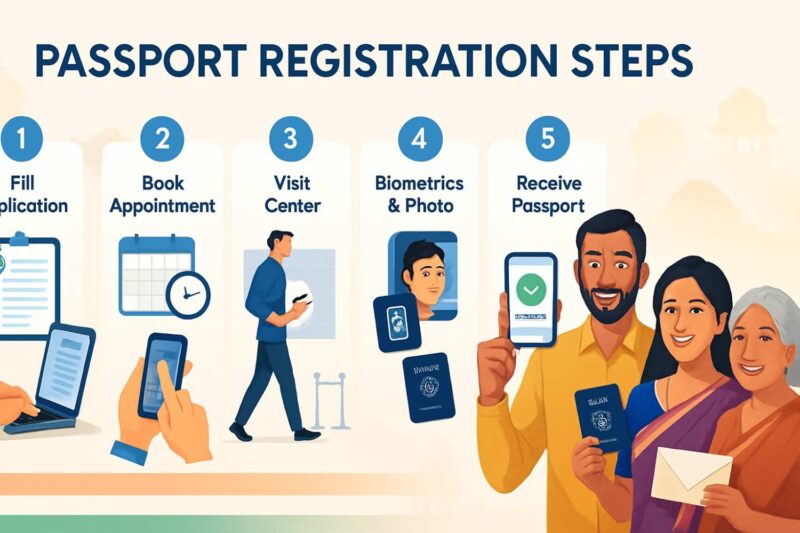
How to Apply for a Ration Card
- Step 1– Check eligibility requirements.
- Step 2 – Collect identity and address documents.
- Step 3 – Submit the application.
- Step 4 – Complete verification.
- Step 5 -Receive approval and ration card issuance.
Common Reasons Ration Card Applications Get Rejected
Understanding rejection reasons can improve approval chances.
Common Issues
- Incorrect information
- Missing documents
- Duplicate applications
- Address verification problems
- Income mismatch
Applicants should verify all details before submission.
Expert Insight: Choosing the Right Ration Card
When determining eligibility, households should consider:
- Annual income
- Family size
- Occupation
- Economic status
- State-specific guidelines
Choosing the correct category helps applicants access appropriate benefits.
Myth vs Fact
| Myth | Fact |
| White cards always mean APL | Classification varies by state |
| All BPL cards offer identical benefits | Benefits may differ by state |
| PHH and BPL are always the same | Eligibility criteria can vary |
| Card colours are identical nationwide | States use different systems |
People Also Ask
Which ration card provides the highest benefits?
Antyodaya Anna Yojana cards generally provide the highest level of food assistance.
How do I know my ration card category?
Your category depends on income, eligibility criteria, and state-specific guidelines.
Why do ration cards have different colours?
Colours help identify subsidy levels and beneficiary categories.
Can I change my ration card category?
Changes may be possible if eligibility status changes.
Which ration card is suitable for low-income families?
PHH, BPL, and AAY cards are generally designed for economically weaker households.
FAQs – Types of ration card
Why are there different types of ration card in India?
Different categories help governments distribute benefits according to economic need.
How can I identify my ration card category?
You can verify the category through your state food and civil supplies records.
Why is the BPL ration card important?
It provides access to higher subsidy benefits and welfare programs.
How does a PHH ration card differ from a BPL card?
Eligibility and benefits may vary depending on state guidelines.
What documents are required when applying?
Identity proof, address proof, family details, and eligibility documents are commonly required.
Can ration card colours vary between states?
Yes, colour classifications differ across India.
Can newly married couples apply for a separate ration card?
Eligibility depends on state-specific rules.
Can a ration card be transferred to another state?
Transfer procedures depend on applicable regulations.
What happens if household income changes?
The category may be reviewed based on eligibility criteria.
Can one family hold multiple ration cards?
Generally, households are expected to hold only one valid ration card.
Conclusion
Understanding the different types of ration card available in India helps households access food security benefits, welfare programs, and essential public services. Whether you are exploring the types of ration card in Karnataka, learning about the types of ration card in Tamil Nadu, reviewing the types of ration card in Maharashtra, understanding the PHH ration card system, or identifying the BPL ration card colour, knowing the eligibility criteria and benefits can help you make informed decisions. Since state policies and colour classifications may change over time, applicants should always review the latest guidelines before applying.