
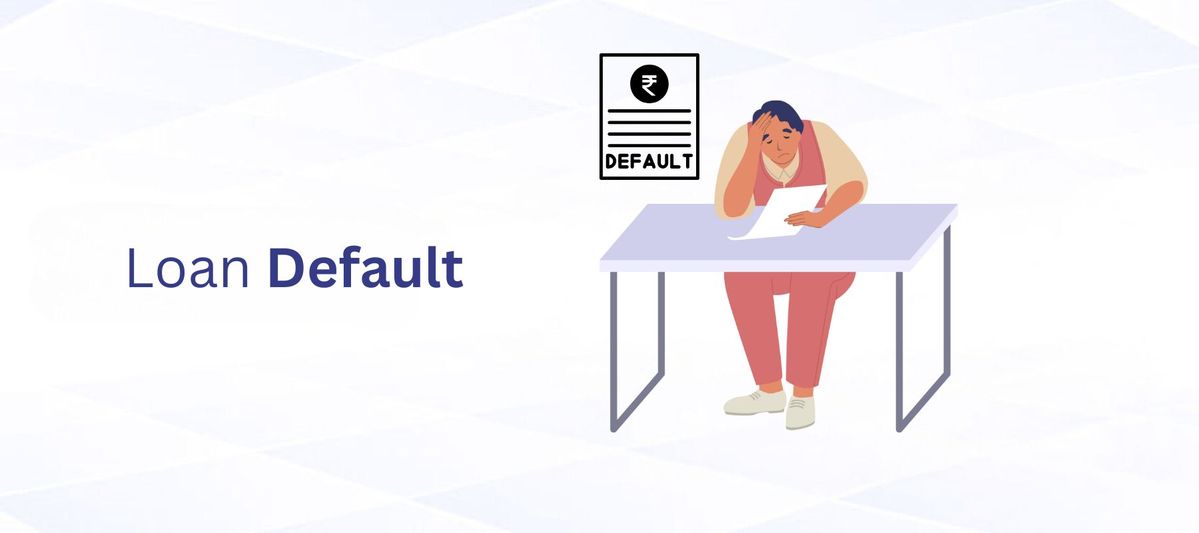
Loans have become the most convenient thing for everyone. There are multiple loan options like short term loan, personal loans, payday loans etc, they are designed according to the borrower’s convenience. It is not very difficult to maintain and manage the debt repayment for these loans. Due to small mistakes like delay during the loan repayment process, people fall into unnecessary troubles. This small mistake can turn into a stressful situation. If this continues for more time, the borrower will be then considered as a personal loan defaulter. Moreover, it will affect the borrower’s credit score, loan eligibility and financial stability. Many people tend to panic after receiving missed EMI calls or after seeing extra charges on the next EMI
Whether you have missed your EMI payment or are unable to repay it, this is a step to step guide to understand and fix EMI defaults, understand the loan recovery process, manage personal loan EMI default charges, and gain back financial condition for a better future.
Identify A Personal Loan Defaulter:
A personal loan defaulter is someone who fails to repay or delay a certain EMI amount back to back. When you miss an EMI once, it may result in late fee charges, but if you keep missing or delaying your EMI payments, this will lead to your default status.
Here are some common reasons to miss or delay EMI payment;
- Salary delays or job loss
- Medical emergency
- Uncertain budgeting
- Multiple loan applications
The first step to fixing a default is understanding why it happened in the first place.
Process After You Miss An EMI:
If you have applied for a loan through a trusted app that is RBI registered or an NBFC, then they follow a structured process before taking any strict action. Understanding the process will help the borrower stay calm
Starting Stage
- You will start receiving reminder calls and messages.
- Due to a missed EMI, late payment fees/charges will be added
- You will notice a decrease in your credit score
Constant Delay
- Your account status will be marked as overdue
- Increase in personal loan EMI default charges
- Recovery team contacts borrower
Long Term Default
- The loan will be classified as non performing
- The last option will be considered as the legal action
Hence, the first step to overcome this is to respond as early as possible
Know The Loan Recovery Process:
As a borrower, you need to understand the loan recovery process is to recover dues and not to harass the borrower. Here are some ways by the lenders to recover the overdues.
| Stage | What Happens |
| Reminders for payment | Calls, SMS, and emails |
| Penalty charges | Late fees and penal interest |
| Recovery communication | Recovery agents contact borrower |
| Options for settlement | Offer in revised payment plans |
| Legal action | Taken only if no resolution |
These steps are important to understand for the borrowers, instead of avoiding communication.
How to Deal with Communications from the Lender:
One of the biggest drawbacks that borrowers fall into is failing to respond to calls from the lender. This will only make things worse.
What You Need to Do:
- Respond to calls in a calm and polite manner
- Be honest about your financial trouble
- Inquire about repayment or restructuring options
- Document all calls
Steps to Overcome EMI Default:
If you are already classified as a personal loan defaulter, the following steps will help you overcome the situation responsibly:
1. Assess Your Finances
Make a list of your income, expenses, and loans to know how much you can pay back.
2. Pay Partial Amounts
Paying partial amounts will help you cut down on the charges and also demonstrate your intention to pay back.
3. Apply for EMI Rescheduling
In some cases, lenders may agree to reschedule your EMIs for a longer period or with reduced EMI amounts temporarily.
4. Refrain from Taking New Loans
Borrowing money to repay existing loans can be risky and stressful.
Is getting a loan after default possible?
Yes, it is still possible to get loans even after defaulting, but it does not happen overnight. The lenders assess your repayment record and credit history before sanctioning any new loan. If you have been labeled as a defaulter, your first step should be to pay off all your pending dues and sort out your existing EMIs. Once your account is back on track and you begin to make your payments on time, it will demonstrate to the lenders that you are responsible for your finances. This will eventually help you to improve your credit score and regain the lenders’ confidence. Although the initial loan opportunities may be restricted or come with higher interest rates, discipline will eventually improve your chances and provide you with better loan opportunities in the future.
When To Ask For Help?
If the amount of the loan is large or if the pressure of loan recovery is becoming too much to handle, it is always important to seek assistance at the right time. Financial advice will assist you in understanding your current financial position, manage your repayments, and develop a feasible plan according to your income and expenses. A planned repayment strategy will enable you to handle your EMIs in a more organized manner and prevent any further defaults. In extreme situations, taking financial advice may be necessary to understand your rights and obligations, but it should always be considered as a last resort.
Conclusion:
Being a personal loan defaulter can feel stressful and discouraging, but it is important to understand that this situation is not permanent. Many borrowers face financial setbacks due to job changes, medical emergencies, or unexpected expenses. What truly matters is how you respond to the situation. By understanding the loan recovery process and being aware of personal loan EMI default charges, you can take informed steps to regain control rather than avoiding the issue. Open and honest communication with lenders often leads to workable solutions such as revised repayment plans or temporary relief options.
Consistency plays a major role in recovery. Even small repayments made regularly can slowly rebuild trust and reduce penalty charges. At the same time, improving budgeting habits, cutting unnecessary expenses, and focusing on essential repayments help prevent further defaults. Avoid taking new loans during this phase, as it may increase financial pressure. Over time, disciplined repayments can gradually improve your credit score and restore borrowing eligibility.
Most importantly, patience is key. Financial recovery does not happen overnight, but steady effort brings long-term benefits. Treat this phase as a learning experience that strengthens your financial awareness. With responsible actions and a clear plan, you can move past default, rebuild stability, and create a healthier financial future.



I completely agree that a missed EMI is often just the tip of the iceberg. Medical emergencies or sudden job loss can really throw people off track. I think more awareness around these causes can help borrowers avoid getting into serious financial trouble.