
A lot of card holders pay their credit card bills on time for years, yet their credit limit has not increased even once. Most people assume that their credit limit will climb on their own if you are responsible with repayment, they do not. The only way to get them to raise your limit is to ask for it first. And even then, they have to check other factors before approving a higher limit.
Here is what lenders look at when deciding whether to increase your credit limit, starting with the things that matter most. We will also cover the common mistakes that can hurt your chances.
Most Common Reason For A Denied Request
One reason you might get a “we will be in touch” instead of a clear yes is probably because of something you would have done with another card or loan.
For example, if you applied for a new card or loan just a few weeks ago, the lender may have checked your credit report. Multiple recent applications can make it look like you are trying to take on more credit right now, which may make a lender less comfortable increasing your limit.
The important thing is that lenders do not only look at the card you are asking about. They look at your overall credit history and what is happening with your other loans and cards too.
Under RBI’s rules, lenders regulated by the RBI have to share your credit information with licensed credit bureaus. This information helps build your credit history, which lenders can look at when you ask for a higher credit limit. You can read more about how credit information companies work in India here.
One thing many people do not realise is that doing well on one card is not always enough. If you have recently applied for another card or loan, that can affect how a lender views your request. So, when you apply can matter almost as much as your past payment history.
What Lenders Actually Look At
Utilisation, not just payment history
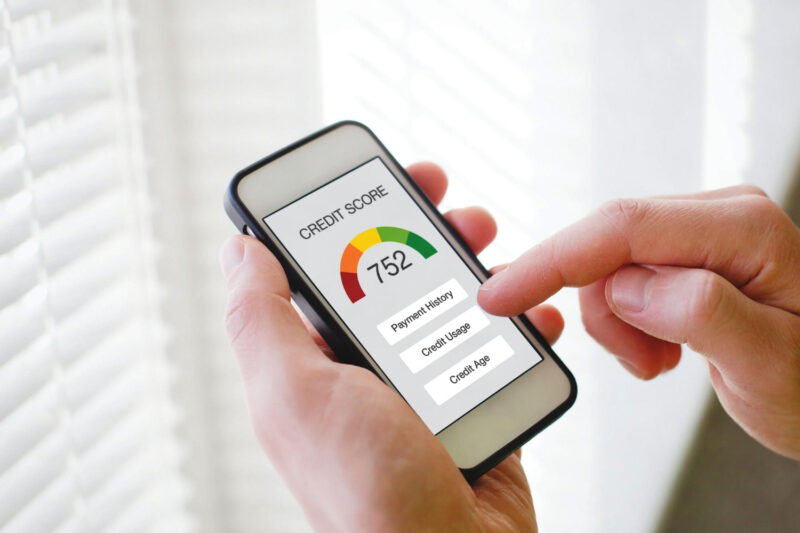
Paying your bills on time is very important, but so is how much of your credit limit you use. If you regularly use 70–80% of your limit, it can make it look like you are depending heavily on your card, even if you never miss a payment. Keeping your usage below around 30% is generally a good benchmark.
Card age
A card you opened just four months ago may not have enough history yet. Lenders usually want to see how you have used the card over several months before deciding whether to increase the limit.
Recent loan or card applications
If you have applied for another card or loan in the last month or two, it can work against you. This can happen even if you have always paid your existing card bills on time.
Have a clear reason
Simply saying, “I want a higher limit” may not be enough. If there is something that has changed like getting a salary hike, starting a new job, paying off a loan, mentioning it can give the lender a better reason to consider your request.
How to Actually Ask for One
- Check your recent statements: Look at the last 3-6 months and ensure that you are paying your bills on time and not consistently using the majority of your card limit.
- Check your card app: Search for the “Credit Limit Increase” option under your card or account settings.
- Contact customer care if needed: If you are unable to request an increase yourself, customer care can help. Bring along your income proof, like your latest payslip or bank statement, if they request it.
- Mention anything that helps your case: Got a salary hike? Started a new job? Paid off a loan? Let the lender know. Do not assume they already have this information.
- Wait for the update: If approved, your new limit may show up within a few days to two billing cycles depending on the lender. Keep an eye on your app or SMS for confirmation.
When to Ask and When to Wait
Good time to ask:
- You have had the card for 6-12 months or more
- You have been paying your bills on time.
- You are using less of your card limit than you used to.
- You have not applied for new credit card or loan in the last 1-2 months
Better to wait:
- You have recently missed or delayed a payment.
- You have applied for several cards or loans in the last 1–2 months.
- You have been regularly using most of your card limit.
None of these mean you cannot get a higher limit. If the timing is not right, work on the one thing you can improve and try again later.
After You Get the Increase
A higher credit limit does not automatically improve your credit score. The benefit comes when your spending stays the same, because you are now using a smaller portion of your available limit.
For example, if you used to spend ₹10,000 on a ₹20,000 limit, that is 50% of your limit. If your limit goes up to ₹40,000 but you still spend ₹10,000, you are now using just 25%.
But if you start spending more just because your limit has increased, you may not see the same benefit. Keep an eye on your card usage each month and make sure you are only spending what you can comfortably repay.
Think of a higher limit as extra breathing room, not extra money to spend.
If Your Request Is Denied
Ask the lender why your request was not approved. They may be able to tell you what affected the decision, such as high card usage or a recent missed payment.
If there is something you can improve on, wait a few months before reapplying. If your financial situation and credit history have not changed yet, it may not help to reapply straight away.
Use that time to pay down your balances, continue making payments on time and do not apply for new credit cards or loans. If things look better, you can try again.
Quick Do’s and Don’ts
Do:
- Ask for an increase on a card you have had for a while and managed well.
- Try to keep your card usage below around 30% before asking.
- Tell the lender if your salary or job has recently changed.
- If your request is declined, wait a few months before trying again.
Don’t:
- Open several new cards just to get a higher overall limit.
- Ask for an increase when you are already using 70–90% of your limit.
- Assume the lender already knows about changes like a salary hike or a loan you have paid off.
- Apply again immediately after being declined.
Where to Learn More
If you want to understand how credit and lending work in India, you can start with RBI’s guidelines on credit information and press releases on credit trends from the Ministry of Finance.
You do not need to read through all of this just to ask for a higher credit limit. But it is useful to know that lending is regulated, and that your payment habits play a big role in building your credit history over time.
Last Updated: Sep 2026 | Reviewed By: Shree Lahari K.A., Senior Marketing Associate, Olyv