Financial decisions become much easier once you have all the necessary information at your disposal. One thing that can be very helpful to you is a credit history check. Checking credit history enables you to know the way you have managed your credit in the past.
While it is something that many do only when they need a personal loan, doing so from time to time can save you from many potential issues in the future. This blog post aims at educating you on the importance of checking credit history, how to check credit history, and its effects on loan approval and interest rates.
What Is a Credit History?
Your credit history is a record of your borrowing activity. It shows how you have used and repaid credit over time.
It usually includes:
- Details of loans you have taken
- Credit card usage
- Payment history
- Outstanding balances
- Number of loan applications
This information is used to calculate your credit score. Together, your credit score and history help lenders decide if they should give you a loan.
Why Credit History Check Matters
Doing a credit history check is not just for loan applications. It helps you stay aware of your financial position.
1. Gives You Financial Clarity
When you check your credit report, you understand your current situation. You can see if you are managing your credit well.
2. Helps in Loan Approval
Lenders look at your credit score and history before approving loans. A good record improves your chances.
3. Affects Interest Rates
Your credit profile also decides how much interest you will pay. Better history usually means lower rates.
4. Helps Find Errors
Sometimes reports may have mistakes. A regular credit history check helps you spot and fix them early.
5. Builds Financial Discipline
When you track your credit, you become more careful with payments and borrowing.
How to Check Credit History
If you are wondering how to check credit history, the process is simple and fully online.
Steps to Follow
- Visit a trusted credit bureau or financial platform
- Enter your basic details
- Verify your identity using OTP or documents
- Access your credit report
- Review all the details carefully
Some digital platforms also help users explore financial tools and services. For example, platforms like Olyv allow users to understand their credit profile as part of a broader financial journey.
What You Will See in Your Credit Report
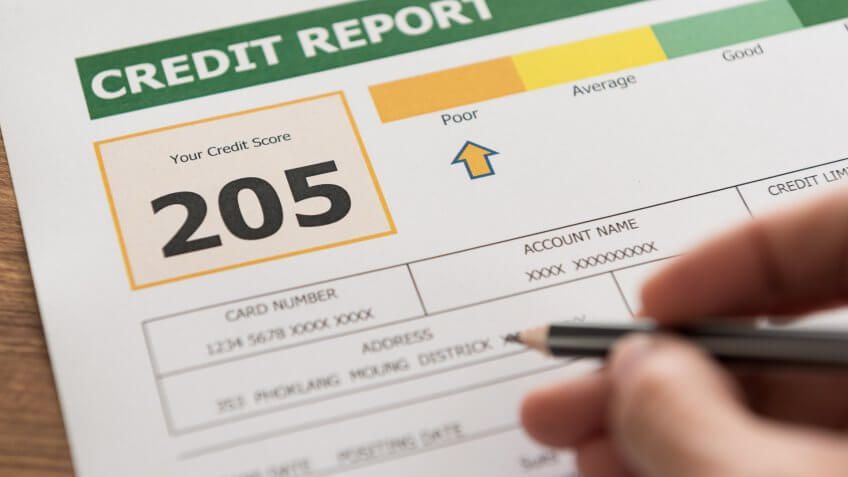
Once you complete a credit history check, you will see different sections. Each section plays a role in your score.
| Section | What It Shows | Impact Level |
| Payment History | On-time or late payments | High |
| Credit Usage | Credit used vs limit | High |
| Credit Age | Length of credit history | Medium |
| Credit Mix | Types of loans and cards | Medium |
| Inquiries | Recent applications | Low |
Payment history and credit usage have the biggest impact. Even one missed payment can reduce your score.
How Credit Score and History Affect Loans
Your credit score and history directly affect how lenders treat your application.
Loan Approval
A strong credit history shows that you are reliable. This increases approval chances.
Loan Amount
If your profile is good, lenders may offer a higher loan amount.
Interest Rates
Lower risk means lower interest. A good score can save you money.
Processing Time
Applications with clean credit records are processed faster.
Common Mistakes During Credit History Check
Many people make small mistakes when reviewing their credit. These can cause bigger problems later.
Not Checking Regularly
A one-time check is not enough. Make it a habit.
Ignoring Errors
Even small errors can affect your score. Always review carefully.
Too Many Loan Applications
Multiple applications in a short time can reduce your score.
Missing Payment Updates
Sometimes payments are not updated immediately. Keep track of your records.
Tips to Improve Your Credit History
If your credit report is not strong, you can improve it with simple steps.
Pay On Time
Always pay your EMIs and bills before the due date.
Use Credit Wisely
Try not to use your full credit limit. Keep usage low.
Avoid Unnecessary Loans
Apply only when needed. Too many applications can hurt your score.
Keep Old Accounts
Older accounts improve your credit age.
Monitor Regularly
A regular credit history check helps you stay in control.
How Often Should You Check Credit History?
You do not need to check your credit every week. But regular checks are important.
You should review it:
- Every 3 to 6 months
- Before applying for a loan
- After closing a loan
- If you notice unusual activity
This helps you stay prepared and avoid surprises.
Example: Impact of Credit History
Here is a simple comparison to show how your credit profile matters:
| Factor | Good Credit Profile | Poor Credit Profile |
| Credit Score | 750+ | Below 650 |
| Loan Approval | Quick | Difficult |
| Interest Rate | Lower | Higher |
| Loan Amount | Higher | Limited |
This shows how your credit score and history can change your borrowing experience.
Why You Should Take It Seriously
Ignoring your credit history can lead to problems later. You may face loan rejections or higher costs.
A simple credit history check can help you avoid these issues. It gives you control over your financial decisions.
When you know your credit position, you can plan better. You can improve weak areas and build a strong profile over time.
FAQs
1. What is a credit history check?
A credit history check refers to the analysis of your credit report to understand how you use credit facilities. The purpose is to analyze your habits as observed by lending institutions.
2. How can one check their credit history on the internet?
One way of checking credit history involves going online to the credit bureaus or other financial websites. You will have to provide your personal information and identify yourself to view the report.
3. Can checking credit history impact your score?
Checking your credit history does not affect your credit score. Checking your credit history is called a soft inquiry and it does not have any impact on your credit score.
4. When should one conduct a credit history check?
You can conduct a credit history check after every 3-6 months or before taking out loans.
5. Why do lenders need your credit score and history for loans?
These factors assist them in determining whether they will give you the loan or not along with the interest rates.
6. How can we determine a good credit score in India?
Any score that is higher than 750 can be said to be a good score.
7. Is it possible to improve credit history quickly?
It is impossible to get a good score overnight. However, you can try to make your payments on time and apply for fewer loans.
Final Thoughts
A credit history check might be considered a minor move with a major impact. In addition, it allows a person to learn about their own financial tendencies and get ready for the future.
If a person learns how to review their credit history and performs regular checks, they will become more confident when dealing with finance-related issues. Credit score and credit history are more than just numbers; they are one’s financial tendencies.
Never miss a payment deadline. Spend wisely. Perform regular checks. Simple actions like these can allow a person to have an amazing future without any worries.