Let’s look at Kavya for example, who is a 27-year-old marketing executive living in Mumbai. It was a Tuesday night, right after her shift which ended at 2 AM, when her brother called to say their father had been admitted to the hospital. She needed ₹1.5 lakh by Thursday morning to cover the initial deposit and tests.
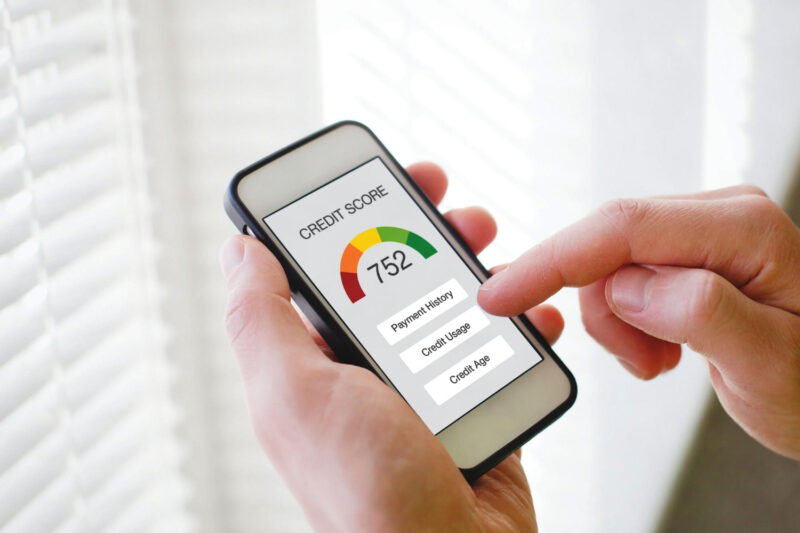
Naturally, the first thing she did was open her banking app and checked her CIBIL score.
It was 654.
She applied through her salary bank account she had been using for four years, assuming that loyalty counted for something. By Wednesday afternoon, an automated SMS came back: Rejected. Applicant does not meet minimum credit policy requirements. No explanation, no one to talk to, just a closed door.
Two days later, Kavya did get her loan through an NBFC. It wasn’t for the full ₹1.5 lakh (she got ₹1.1 lakh), and the interest rate was higher than the rates her bank had plastered on billboards outside her office. But it covered the deposit, and her family managed the rest.
That massive gap between a sudden rejection at a traditional bank and a conditional approval through a digital lender is what credit score eligibility actually means in real life. It isn’t a simple yes or no, it’s a spectrum.
In FY 2025–26, personal loans grew 16.2% last year and now account for about a third of all bank credit, so score-based decisions affect millions of borrowers.
What Does a 650 Score Actually Mean to a Lender?
A 650 CIBIL score sits right in the middle of a grey zone. You aren’t in the “instant smooth approval” club (750+), but you aren’t completely blacklisted either (below 550).
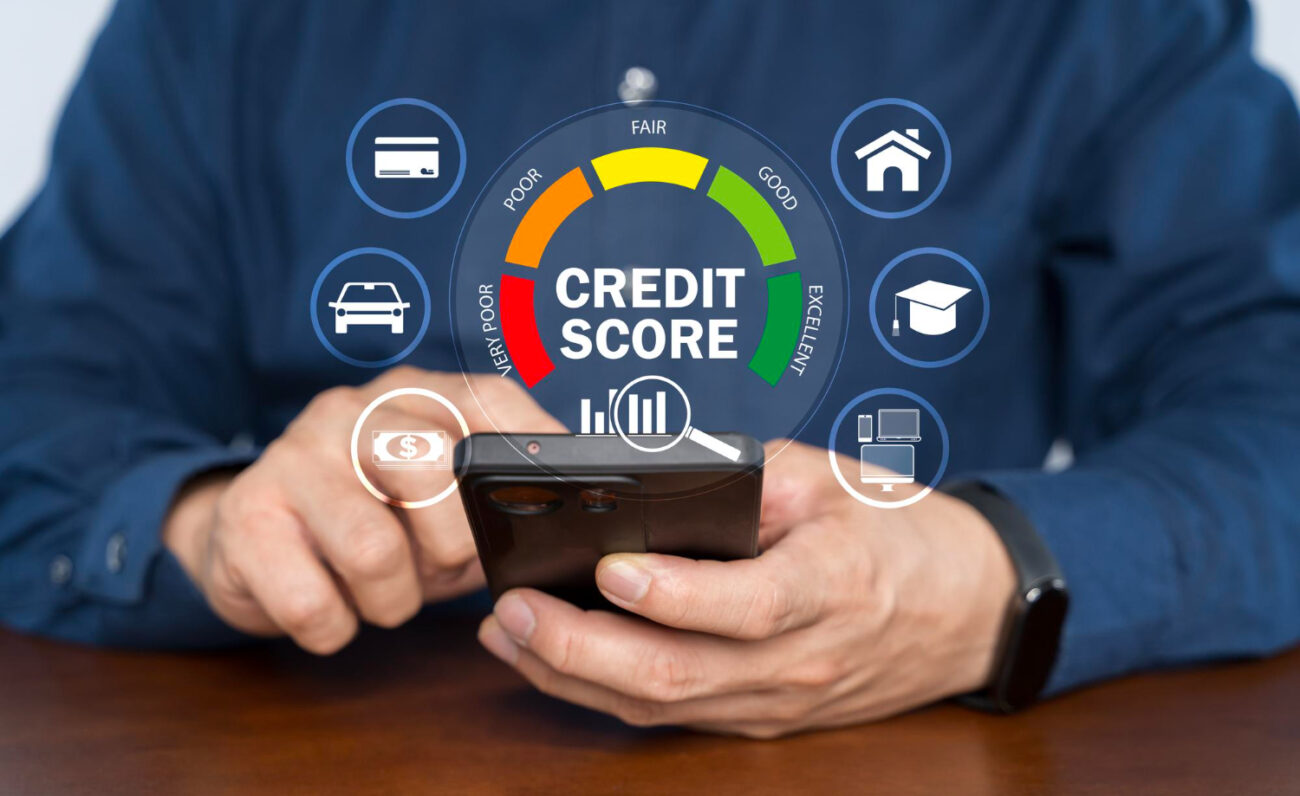
Here is how the Indian lending system actually categorizes your numbers behind the scenes:
300 – 549: Poor
You will face very high rejection rates across all lenders. Collateral or a co-applicant will mostly be required in order to get approved.
550 – 649: Fair (Lower End)
Getting approval from traditional banks will be very unlikely whereas NBFCs may consider small loan amounts under certain conditions.
650 – 699: Fair
Banks will still remain hesitant, but NBFCs and digital platforms may provide loan offers with slightly higher interest rates.
700 – 749: Good
You will get smooth approvals by most financial institutions with reasonable interest rates and flexible EMI options.
750 – 900: Excellent
You will get fast processing with maximum loan amounts along the lowest interest rates in the market.
Traditional banks treat a 650 score with extreme caution because their business model relies on borrowers who are low risk, meaning they take low-interest loans in large volumes.
NBFCs and digital platforms however evaluate your profile differently, they look at your entire financial profile, not just a single 3 digit score. They check things like whether your salary comes in regularly every month and will then adjust your loan offer accordingly.
Under RBI’s 2025 Digital Lending Directions, lenders must look at your overall financial situation when deciding whether you qualify for a loan. Your credit score is one part of that picture, and digital loans are also reported to credit bureaus like CIBIL.
5 Things Lenders Check When Your Score Isn’t 750+
- Income Stability: Having a stable job for 6–12 months can work in your favour. If you’ve been with a well-established company for a while, lenders may see you as more financially stable, even if your credit history isn’t perfect.
- Your Net Income & Existing Loans: If your existing EMIs already eat up more than 40–50% of your monthly salary, lenders may think twice about giving you another loan, whether your credit score is 650 or 750.
- Repayment Behaviour: A missed credit card payment from two years ago may not worry a lender as much as one you missed just two months ago. In simple terms, recent missed payments matter more than old ones.
- Requested Amount vs. Salary: The loan amount you ask for should make sense for your salary. If the amount fits comfortably within your monthly budget, you may have a better chance of getting the loan.
- Too Many Recent Loan Applications: Applying for loans from several lenders in a short period can make you look like you’re taking on more credit than you can handle. It can also lower your credit score slightly.
How Kavya Turned a 650 Score Into a Long-Term Win
Coming back to Kavya, when her bank turned down her loan request, she resisted the urge to apply at multiple other banks (which she later found out reduced her score even more).
She completed a single loan application with an NBFC via a digital platform. She accepted the ₹1.1 lakh loan offer and covered the remaining amount through family. She made it her absolute priority to clear every single EMI a few days before the due date to improve her credit score.
By month eight, her credit score had increased from 654 to 718. When she needed a small personal loan later that year to upgrade her laptop, her primary bank approved her application within a few hours.
Her story isn’t a guarantee that a 650 score will always get an approval, every financial profile is evaluated individually, but it shows the realistic trade-offs involved.
How to Improve Your Odds Right Now
- Apply for a loan amount you can afford: Choosing a loan amount that fits your salary and monthly budget can improve your chances of getting approved.
- Add a co-applicant if you can: Applying with a family member who has a steady income or a strong credit score can improve your chances of getting approved.
- Avoid applying everywhere at once: Each time you make a formal loan application, the lender checks your CIBIL report. Applying to several lenders in a short time can affect your credit score.
- Consider other options for non-emergencies: If you need money but it isn’t urgent, you could consider a gold loan or a loan against your FD. These options may be quicker and come with lower interest rates.
- Give it 90 days, if you have the time: If you don’t need the loan right away, focus on paying your existing EMIs on time and reducing what you owe. Over the next few months, this can help improve your credit score.
Disclaimer -This article is only for informational purposes and should not be considered financial advice. We are aiming to be as accurate and up to date as possible, but the terms of eligibility and interest rates may differ from lender to lender and may change over time. Please contact your preferred bank or NBFC to verify and confirm the details before applying for a loan.
Last Updated: Sep 2026
Reviewed By: Shree Lahari K.A., Senior Marketing Associate, Olyv