
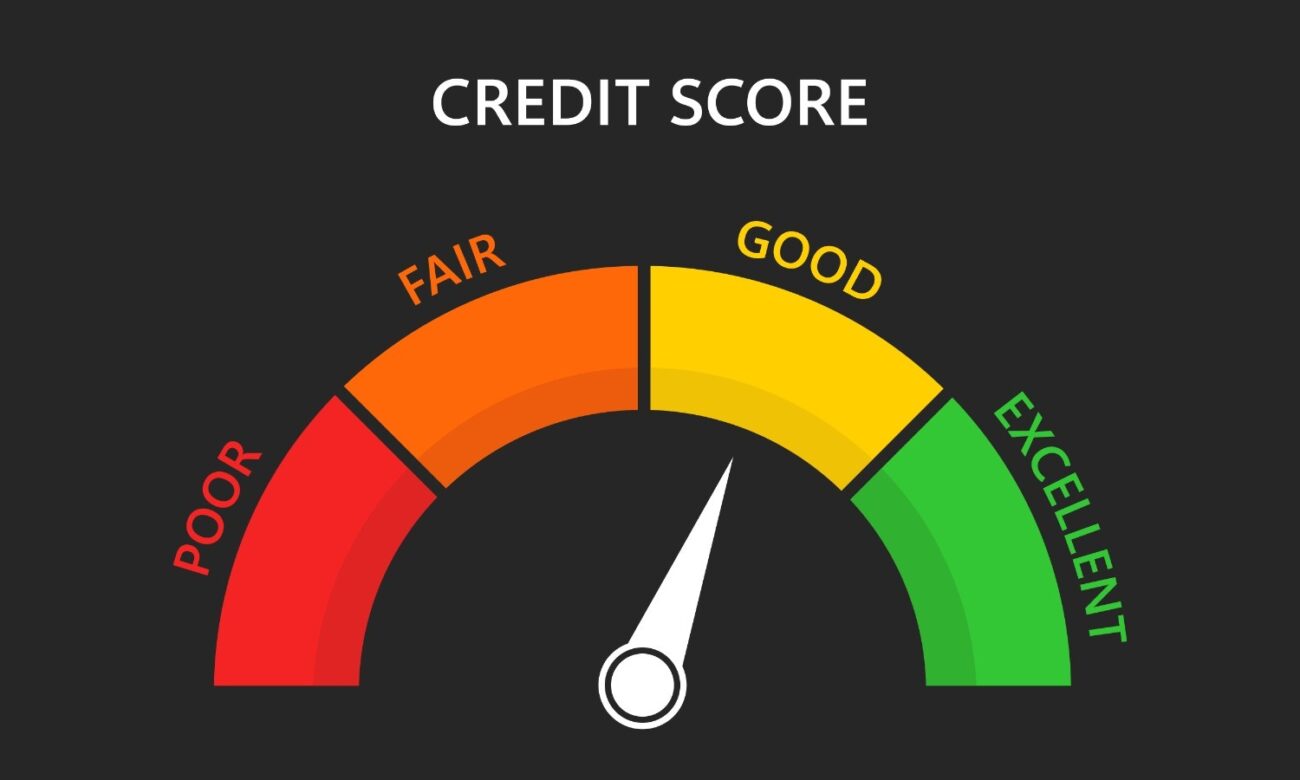
If you are planning to take a loan or apply for a credit card, one question always comes to mind: What is the best CIBIL score?
Your CIBIL score is like a financial report card. It tells banks how responsible you are with money. The better your score, the easier your loan journey becomes.
Many people feel confused when they see numbers like 650, 750, or 800. This blog will explain everything in very simple words. By the end, you will clearly understand what is the best CIBIL score is, why it matters, and how you can reach it step by step.
What Is a CIBIL Score?
CIBIL score is a numerical representation comprised of three digits and ranging from 300 to 900. This score depends on your credit card and loan repayments.
To put it simply, it indicates,
- Your loan repayment habits
- Your credit card usage
- Your money management skills
This score is considered by banks and NBFCs before granting any type of loan.
What Is the Best CIBIL Score Range?
To understand what is the best CIBIL score, let us first look at the different ranges.
| CIBIL Score Range | Meaning | Loan Approval Chances |
| 300 – 549 | Poor | Very low |
| 550 – 649 | Fair | Low |
| 650 – 749 | Good | Medium |
| 750 – 900 | Excellent | Very high |
A score of 750 or above is considered excellent. This is the range lenders trust the most.
Why 750+ Is Considered Ideal
When people ask what is the best CIBIL score, usually the answer is 750 and above.
Let’s understand the significance of this range,
- Banks categorise you as a low-risk borrower
- The process of loan approvals gets faster
- The interest rates charged are lower
- The credit card limits assigned are higher
If your score is more than 800, the lenders might even pre-approve loans for you without conducting any further verification.
How Banks Consider Your CIBIL Score
Banks do not limit their assessment to just income. Their primary concern is credit behaviour.
They verify,
- Old loan repayments
- Credit card utilisation
- Skipped or late EMIs
- Number of loan applications
Even platforms like Olyv, which help users understand their credit health, highlight how lenders prefer borrowers with strong repayment patterns and stable scores.
What are the Best CIBIL score ranges for different purposes?
One can say what is the best CIBIL score for various purposes by looking at different customers’ goals.
For Personal Loans
- Ideal score is 750+
- Lower score = higher interest
For Home Loans
- Ideal score is 780+
- Better score = greater tenure options
For Credit Cards
- Ideal score is 700+
- Premium cards require higher scores
For Instant Loans
- Ideal score is 720+
- Faster approval through just a few documents
Common Myths About CIBIL Score
Credit ratings are a source of confusion for many people. Let’s clear some myths.
- Myth 1- Your score is determined by your income
- Truth – Your income does not have a direct impact on your score.
- Myth 2 – Your score decreases when it’s checked
- Truth – Your score remains the same after soft checks.
- Myth 3 – Not taking loans results in a great score
- Truth – No credit history translates to no score.
Knowing these myths can help you make aware of what is the best CIBIL score for your case.
How to Improve Your CIBIL Score Step by Step
If your score is below ideal, do not worry. You can improve it.
Simple habits that work,
- Pay EMIs on time
- Pay full credit card bills
- Keep credit usage below 30%
- Avoid too many loan applications
- Check reports for errors
Tools and apps, including Olyv, help users track repayment discipline and understand score movement over time.
How Long Does It Take to Reach the Best Score?
| Action | Time to Reflect |
| On-time payments | 2–3 months |
| Reducing card usage | 1–2 months |
| Clearing defaults | 6–12 months |
| Building fresh history | 6 months |
With discipline and consistency, reaching what is the best CIBIL score is very possible.
What Factors Lower a Good CIBIL Score?
Individuals with a good score can still be penalised.
Be cautious about,
- Payment delays
- Heavy dependance on credit cards
- Partial payment instead of full payment on loans
- Cancellation of old credit cards
These behaviours are gradually and silently decreasing your credit score.
How Frequently Should You Monitor Your Score?
Tracking your score often keeps you updated.
Practice checking your credit score,
- Monthly
- Before taking a loan
- After paying off large amounts
Constant observing gets you nearer to the target of the optimum CIBIL score.
Is it Possible to Obtain a Flawless Score of 900?
Yes, but it is only seen rarely.
A score of 900 indicates,
- Very long credit history
- No missed payments at all
- Extremely low credit usage
- Diverse instalment of credit.
Though 900 is excellent, the lenders are more than satisfied with anything over 750.
Conclusion
Understanding what is the best CIBIL score helps you make smarter money decisions. A score of 750 or above shows lenders that you are responsible, reliable, and financially disciplined. You do not need to chase perfection. Simple habits like timely payments, low credit usage, and regular monitoring are enough to build strong credit health. Over time, this consistency opens doors to better loans, lower interest rates, and a stress-free financial future.