
If you have ever applied for a loan or credit card, you would know that lenders first check your credit score. One of the major platforms that shows your credit score today is Experience CIBIL. Many people confuse it with other credit score platforms, but it is unique because of how detailed and updated its reports are. This guide explains how it works, why lenders trust it, and how you can use it to make better financial decisions.
What Is Experience CIBIL?
Experience CIBIL is basically the credit score and credit report reflecting your financial history. It indicates your payment, EMI, credit card bills, loan closure, and even small purchases made on EMI management.
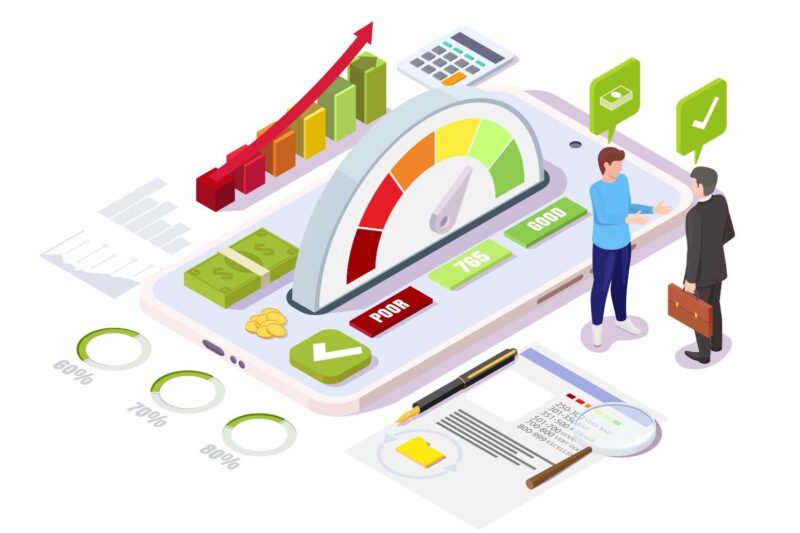
In other words, it is a rating that determines your reliability for banks and lenders. The score typically ranges from 300 to 900. The nearer the score is to 900, the higher your chances of loan acceptance.
What is the Working Process of Experience CIBIL?
The Experience CIBIL gathers information from banks, NBFCs, credit card issuers, and sometimes also loan apps, to determine the score. It reviews,
- Payment history on loans
- Paying off credit cards monthly
- Current loan balance
- Applications for loans
- Instances of late payments or missed payments
- Percentage of credit usage
This data is processed into a simple report that lenders can easily understand when deciding whether to approve a loan.
What Makes Banks Rely on Experience CIBIL?
Banks and financial institutions trust this scoring system, as it reports payment behaviour in the most realistic way possible. It gives more importance to,
- Repayments on time
- Months that were defaulted
- Current EMI status
- Loans taken
Thus, when you go for a loan, your Experience CIBIL score is verified to prove your financial discipline.
What Information Does the Report Show?
| Section in Report | What It Shows |
| Personal Info | Name, PAN, Address |
| Open Loans | Current loans are not yet finished |
| Closed Loans | Loans already repaid |
| Credit Cards | Recent bills, limits, and usage |
| Past Defaults | Missed EMIs or late payments |
| Enquiries | How many times have lenders checked your score |
You will also see a score summary, which quickly explains why your score is high or low.
Who Should Check the Experience CIBIL Score Regularly?
- Students who apply for an education loan
- Salaried employees who opt for a personal loan
- New credit card users
- Home loan applicants
- Those looking for lower interest rates on loans
If you remain informed, you will not face rejection of loans at the last minute.
At What Point Does the Score Alter?
Your score is modified whenever lenders refresh your financial status. This is generally after a period of 30 to 45 days.
Your score alters whenever,
- You complete all EMI payments
- Old loans are closed
- Credit usage is reduced
- A payment is late
- A loan gets approved
So, there is no need to get anxious if the score does not change right away.
In What Ways Can You Enhance Experience CIBIL Score?
A single scheme that is quite simple for everyone to follow is as follows,
Make timely payments for all EMIs
One month of delay even creates a bad mark.
Lower credit card limit
Use less than 30% of the total limit permitted on your card.
Keep old accounts still active
The longer the credit history, the more the score increases.
Do not apply for loans too often
Too many inquiries decrease your score.
Check for errors in reports
Sometimes lenders provide wrong information about you.
Before applying for a loan, improving your score increases approval chances.
How Olyv Is Your Partner Towards Credit Insights
Olyv is a financial platform that allows users to check their credit score smoothly. Additionally, when you check your credit score through Olyv, you receive
- Suggestions for personalised credit improvement
- Notifications whenever your score decreases
- Guidance on reducing card usage
- Loan offers that are based on your score
When lenders check your profile, having a higher Experience CIBIL score gives you more loan options and better rates. Olyv also teaches you a systematic way of dealing with repayments so that your score constantly goes up.
Common Mistakes People Make
- Paying EMI after the due date
- Using 80-90% of the card limit
- Applying for multiple loans at the same time
- Ignoring loan closure documentation
- Not tracking credit updates
The unintentional acts gradually pull down your Experience CIBIL score.
Reasons Your Score May Drop Overnight
Here are some of the reasons,
- Bank’s delay in reporting
- Increased credit usage due to purchases
- Credit check by the lender
- Auto-debit failed
- Account settlement or restructuring
These issues are minor, but they still reduce the chances of getting approved.
Advantages of the High Experience CIBIL Score
A score of over 750 brings along several advantages,
- Low-interest personal loans
- Higher credit card limits
- Easy EMI offers on purchases
- Faster online loan approval
- Zero-collateral loan selection
Ways to Check a Score Before a Loan Application
Before you present a loan request, always remember to,
- Look at your latest score
- Check your outstanding amount
- Make sure previous loans have been properly closed
- Improve score if it is below 700
Following these steps will prevent rejection.
Conclusion
Your Experience CIBIL score is much more than a number. It tells lenders how disciplined and reliable you are with money. When your score is strong, your chances of getting loans approved quickly increase. The right way to use your score is not only to check it but also to maintain it regularly. Paying bills on time, reducing card debt, and managing existing loans effectively are the best habits to follow. By monitoring your score monthly, you can achieve long-term financial strength and loan freedom.