
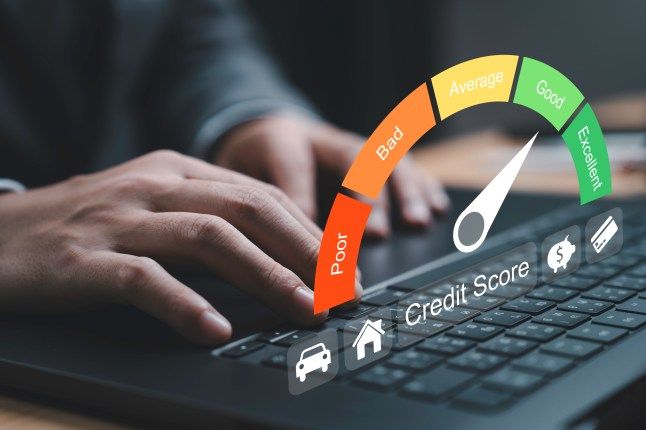
One of the most important pieces of information in your financial life is your credit score. However, most of us only think of it when we want a loan or credit card. In reality, its role goes far beyond approvals. Learning more about what is credit score used for can help you make better borrowing decisions and live a more financially healthy lifestyle.
This blog will help you learn more about some of the biggest credit score uses, how banks use it, and also learn more about which credit score is used by banks and NBFCs.
What Is Credit Score Used For?
Essentially, a score is a three-digit number that represents your creditworthiness. As it is based on your repayment record, your credit usage, and your behavior.
What is it used for? In simple terms, it is used to determine your likelihood of paying back borrowed money. Therefore, the more your score is on the higher side, the lower your risk; the lower it is, the greater your risk.
But its importance doesn’t stop at loans. Hence, your scores affect many aspects of your life.
Key Credit Score Uses in Everyday Finance
Knowing the various uses will help you understand why having a good score is so important.
1. Loan Approval Decisions
One of the most common answers to what is credit score used for is loan approval. Banks and NBFCs use your score before approving personal loans, home loans, or car loans.
- High score → Higher chances of approval
- Low score → Increased chances of rejection
2. Determining Interest Rates
It has a major impact on the interest rate offered by the bank.
- Higher score → Lower interest rates
- Lower score → Higher interest rates
Even a small difference in interest rates makes a huge difference in the long run.
3. Credit Card Eligibility
Another key among the uses is determining eligibility for credit cards. Premium cards with better rewards are usually offered to individuals with higher scores.
4. Credit Limit Approval
Your score also affects how much credit you can access. Therefore, lenders assign higher limits to borrowers with strong credit profiles.
5. Faster Loan Processing
Having a good score will enable you to hasten your approval time, and you will be considered a responsible borrower.
Which Credit Score Is Used Most in India?
One of the most frequently asked questions by borrowers is what it is used most. However, when it comes to India, the scores used by lenders from credit bureaus include:
- CIBIL – (Most Used)
- Experian
- Equifax
- CRIF High Mark
In these, the CIBIL score is considered to be used most by banks and NBFCs. However, there is no guarantee that a particular lender is using one score exclusively.
Understanding what score is used most will enable you to have a high credit score from every credit bureau.
Credit Score Range and What It Means
It is likely that your score will range from 300 to 900.
| Credit Score Range | Rating | Impact on Borrowing |
| 750 – 900 | Excellent | Easy approvals, low interest rates |
| 700 – 749 | Good | High approval chances |
| 650 – 699 | Fair | Moderate approval chances |
| 600 – 649 | Low | Higher interest rates |
| Below 600 | Poor | Difficult to get loans |
This table shows how your score influences your financial opportunities and reinforces what is it used for in lending decisions.
How Lenders Use Credit Score to Assess Risk
Lenders don’t just look at your score—they analyze it to understand your financial behavior.
1. Repayment History
A good repayment history will positively influence your score and instill confidence in the lender.
2. Credit Utilization
Overextending yourself by utilizing too much of the credit limit can negatively impact it and reflect a stressful financial situation.
3. Credit Mix
Having a mix of secured and unsecured loans shows balanced credit management.
4. Credit Inquiries
Frequent loan applications can negatively impact your score.
These factors illustrate the underlying credit score uses beyond the numerical value.
Real-Life Examples of Credit Score Impact
To better understand what is it used for, let’s look at two borrowers:
Example 1: High (780)
- Loan approved quickly
- Interest rate: 10%
- Higher loan amount sanctioned
Example 2: Low (620)
- Loan approval delayed or rejected
- Interest rate: 15%
- Lower loan amount offered
This comparison shows how it directly impact borrowing costs and opportunities.
How Score Affects Financial Planning
It plays a key role in long term financial planning.
1. Cost of Borrowing
A higher score reduces the total cost of loans.
2. Access to Better Products
You get access to premium financial products and offers.
3. Financial Flexibility
A strong score ensures you have access to money when you need it in an emergency situation.
Hence, understanding these aspects gives a clearer picture of what is credit score used for beyond immediate needs.
Tips to Improve and Maintain Your Credit Score
Maintaining a good score is essential to benefit from its uses.
1. Pay EMIs on Time
Making timely payments is the first step to maintaining a healthy score.
2. Keep Your Credit Utilization Low
It is recommended to keep your utilization low by using less than 30% of your credit limit.
3. Avoid Too Many Loan Applications
Avoid applying for too many credit cards, as it may negatively impact.
4. Check Your Credit Report Regularly
Monitoring your credit report is an essential step in maintaining a healthy score.
5. Use Smart Financial Tools
Use Olyv to track your credit score and make smart financial decisions without getting complicated.
Common Myths About Credit Score
Many borrowers misunderstand how it works.
Myth 1: Checking Your Score Lowers It
Checking your own score does not affect it.
Myth 2: Only Loans Affect Credit Score
Credit cards also play a major role.
Myth 3: A High Income Guarantees a High Score
Income and score are separate factors.
Clearing these myths helps you better understand.
Why Credit Score Matters More Than Ever
In today’s digital lending environment, the score is often the first filter used by lenders.
- Instant loan approvals depend on your score
- Digital platforms rely heavily on credit data
- Competitive interest rates are offered based on the score
Hence, this makes understanding which is used most and maintaining a good score more important than ever.
Conclusion
To manage finances in an effective manner, it is important to understand what is credit score used for. It is used for various purposes, and it is important to learn more about it if you want to shape your future in a positive manner.
Learning more about the various uses and knowing which is used most will help you manage your score in a better way and shape your future in a positive manner.
However, it is important that you understand that it is not very easy to develop a strong score, but if you make consistent efforts, you will be able to shape your future in a positive manner in the long run.

You’ve captured the role of credit scores really well here. It’s eye-opening to learn that banks use it to assess your risk, and I didn’t realize that even a small difference in your score could change your loan’s interest rate significantly!