
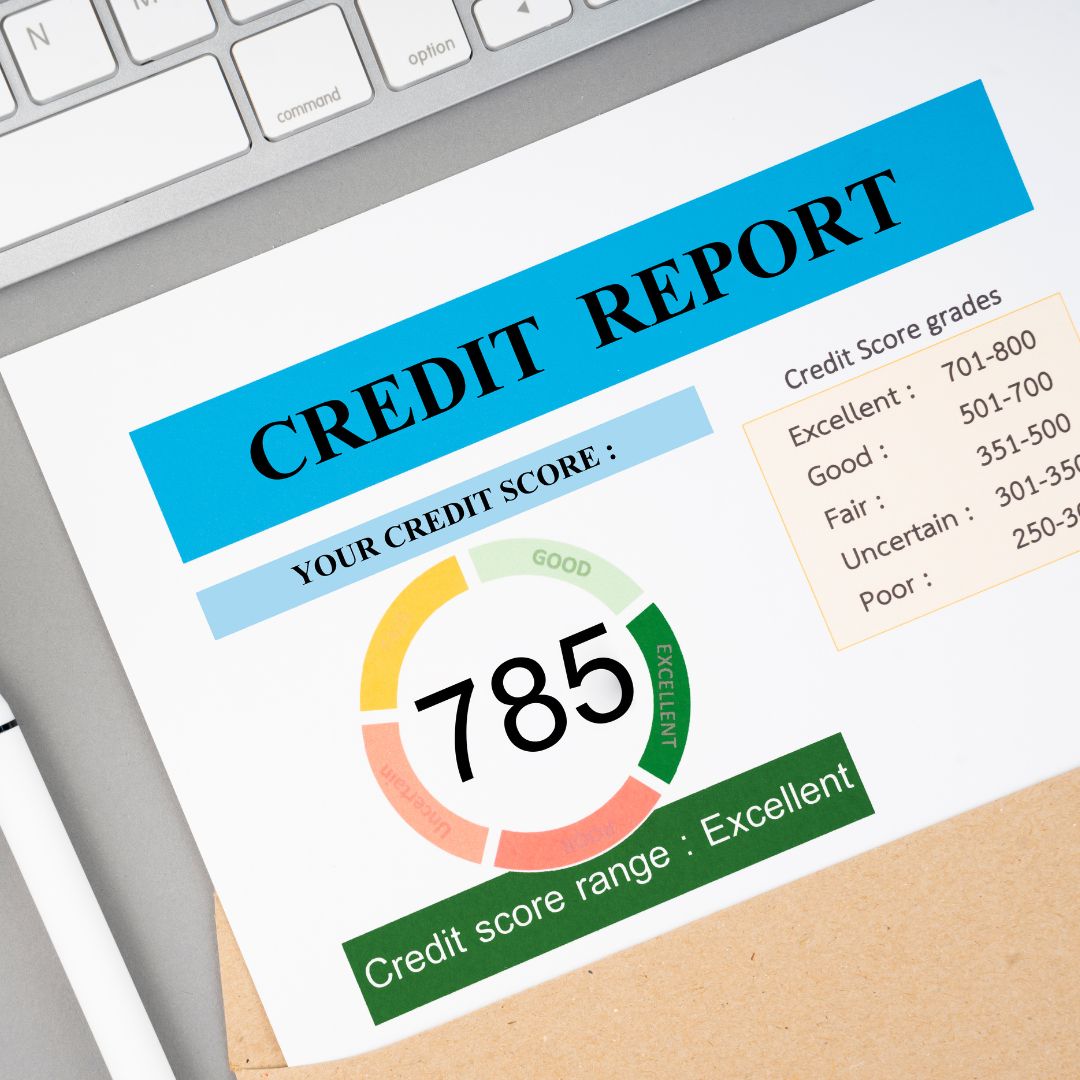
Many borrowers believe that a credit score and a credit report are the same thing. They are related but not identical. If you are planning to apply for a personal loan, credit card, or home loan, to understand what is credit report isextremely important.
Your credit report is the detailed financial record that lenders review before approving your loan. Your credit score is just a three-digit summary of that report. In simple words, the score is the result and the report is the full story behind it.
This article explains the real credit report meaning, its structure, how lenders use it, and includes a sample credit report breakdown so you can check your own report before applying.
What Is Credit Report?
A credit report is a structured document that contains your credit history. It shows:
- Personal details
- Loan accounts (active and closed)
- Credit card usage
- Repayment history
- Defaults or delays
- Credit inquiries
In India, credit bureaus collect this data from banks and financial institutions and compile it into one report.
So, when someone asks what is credit report, the simple answer is:
It is a complete financial report card that shows how responsibly you have handled credit.
Credit Report Meaning in Simple Words
The credit report meaning can be understood as a track record of your borrowing behaviour.
It answers key questions for lenders:
- Do you repay EMIs on time?
- Have you ever defaulted?
- How much debt do you currently have?
- Do you frequently apply for loans?
Unlike a credit score, which is just a number (for example 750), the credit report gives full details behind that number.
Key Components of a Credit Report
Let’s break down the major sections.
1. Personal Information
- Name
- PAN
- Date of birth
- Address
- Contact details
This section verifies identity.
2. Account Information
This is the most important part. It shows:
- Loan type (personal, home, auto)
- Credit card accounts
- Loan amount
- Outstanding balance
- EMI amount
- Repayment history (usually last 24–36 months)
3. Credit Inquiries
This shows how many times lenders checked your report.
Too many inquiries in a short period can reduce approval chances.
4. Public Records
Includes serious issues like loan settlements or write-offs.
Sample Credit Report Breakdown
Below is a simplified sample credit report example to help you understand how lenders view your profile:
| Account Type | Loan Amount | Outstanding | EMI | Payment Status | Months Delayed |
| Personal Loan | ₹2,00,000 | ₹85,000 | ₹7,200 | On Time | 0 |
| Credit Card | ₹1,00,000 Limit | ₹45,000 Used | Minimum Due Paid | 1 Delay | 1 |
| Bike Loan (Closed) | ₹75,000 | ₹0 | Closed | Paid | 0 |
From this sample credit report:
- The personal loan is being paid on time.
- The credit card shows one delayed payment.
- Closed bike loans improve credibility.
Even one or two late payments can influence lender decisions.
How Credit Report Affects Loan Approval
When you apply for a loan, lenders do not rely only on your salary. They carefully review your credit report.
Here’s how it impacts approval:
1. Determines Risk Level
Frequent late payments increase perceived risk.
2. Affects Interest Rate
Good report → Lower interest
Poor report → Higher interest
3. Impacts Loan Amount
High existing EMIs reduce eligibility.
4. Influences Approval Speed
Clean report = Faster processing.
This is why understanding a credit report before applying is crucial.
Credit Report vs Credit Score
Many borrowers confuse the two.
| Credit Score | Credit Report |
| 3-digit number | Detailed financial record |
| Summary of risk | Complete borrowing history |
| Quick reference | Full evaluation tool |
| Example: 780 | Includes loan details & delays |
Your credit score is calculated using data from your credit report.
If your report has errors, your score may drop.
Common Errors Found in Credit Reports
Sometimes reports contain mistakes. Common issues include:
- Loan marked as unpaid even after closure
- Wrong personal information
- Duplicate accounts
- Incorrect late payment marking
- Loans you never took
Before applying for any loan, review your report carefully.
Why Checking Your Credit Report Is Important
Checking your report helps you:
- Identify errors
- Improve credit profile
- Increase loan approval chances
- Negotiate better interest rates
For example, if your report shows high credit card utilization (80%), reducing it to 30% before applying can improve approval terms.
Some digital lending platforms, including Olyv, allow borrowers to check eligibility digitally after reviewing their credit profile, helping them prepare better before submitting a final application.
How Lenders Use Your Credit Report
Lenders analyze:
- Repayment consistency – How often do you repay your bills or EMIs on time, this helps the lender to understand your financial behaviour.
- Current outstanding loans – It refers to an unpaid amount balance you owe to the lender/ bank. It is important to close all your prior financial records to avoid negative remarks in your credit report.
- Credit utilization ratio – Always manage to utilize 30% of your credits. Overusing funds will make the lender believe that you are not a responsible borrower.
- Loan settlement history – This helps the lender understand that you have partially paid your past loan amount and this affects negatively on your credit score.
- Recent credit inquiries – This refers to hard inquiries on your credit report. Multiple inquiries regarding credit cards or loans will signal higher risks to lenders.
Even if your salary is strong, a poor repayment history can result in rejection.
Real Example: Impact of Credit Report
Consider two borrowers:
| Borrower | Credit Score | Late Payments | Existing EMIs | Loan Decision |
| A | 780 | 0 | ₹5,000 | Approved at 12% |
| B | 690 | 3 in last year | ₹10,000 | Approved at 19% |
Both may earn similar salaries, but credit behaviour changes outcome significantly.
This shows how powerful your report is.
How to Improve Your Credit Report
If you find issues in your report, here’s what you can do:
1. Pay EMIs On Time
Timely repayment is the strongest factor.
2. Reduce Credit Card Usage
Keep utilization below 30%.
3. Avoid Multiple Loan Applications
Too many inquiries reduce credibility.
4. Clear Small Pending Dues
Small overdue amounts hurt your profile.
5. Dispute Errors Immediately
Raise correction requests with the credit bureau if needed.
How Often Should You Check Your Report?
Ideally:
- Once every 6–12 months
- Before applying for a major loan
- After closing a loan
- If loan application gets rejected
Regular monitoring prevents unpleasant surprises.
What Lenders Consider Red Flags
- Loan settlements instead of closures
- Written-off accounts
- Continuous late payments
- High credit utilization
- Multiple recent inquiries
These factors reduce approval chances.
Final Thoughts
Understanding the credit report is essential before applying for any loan. It is more than just a number, it is your complete financial history.
The meaning becomes clear when you realize that lenders use it to assess risk, determine interest rates, and decide loan eligibility. A clean report improves approval speed and lowers borrowing cost.
Reviewing a sample report helps you understand what lenders see and identify errors in advance. Even small corrections can improve your credit score and save thousands in interest.
Before applying for your next loan, take time to check your credit report. A strong credit profile is not built overnight, but maintaining discipline today can open better financial opportunities tomorrow.

This breakdown really helped clarify what lenders look for in a credit report. I didn’t realize how much detail is involved beyond just the credit score. It definitely pays to regularly check your report before applying for any loans.