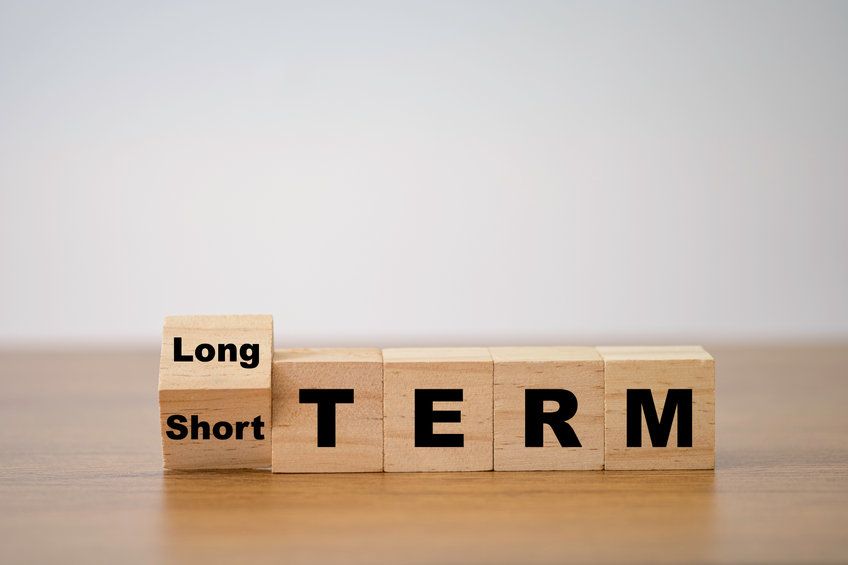
Selecting the appropriate loan tenure is as crucial as selecting the appropriate loan amount. Many loan seekers are only concerned with the EMI, but not with the loan tenure. Knowledge about short term loan and long term loan can help you make better borrowing decisions. The loan tenure you select has a direct effect on your EMI, total interest, and overall financial flexibility.
In this article, we will discuss the difference between both the loans, the impact of short and long term loans on repayment, and how to select the appropriate option for your needs.
What Is A Short Term Loan?
It is usually paid off in a short period of time, ranging from a 2 to 24 months
Common examples:
- Small personal loans
- Payday-style loans
- Emergency loans
- Some business working capital loans
Features:
- Higher EMI
- Lower total interest paid (because tenure is shorter)
- Faster debt clearance
- Suitable for immediate or urgent needs
What Is a Long Term Loan?
It usually has a tenure of 5 years to 30 years, depending on the loan type.
Common examples:
- Home loans
- Education loans
- Long-tenure personal loans
- Business expansion loans
Features:
- Lower EMI
- Higher total interest paid over time
- Longer repayment commitment
- Suitable for large expenses
Difference Between Short Term Loan and Long Term Loan
Let’s break down the difference between the two loans in a simple comparison table.
| Feature | Short Term Loan | Long Term Loan |
| Tenure | 3 months – 3 years | 5 – 30 years |
| EMI | Higher | Lower |
| Total Interest | Lower overall | Higher overall |
| Loan Amount | Usually smaller | Usually larger |
| Financial Commitment | Short | Long |
| Risk Exposure | Lower duration risk | Long-term financial risk |
This comparison clearly shows how short and long term loans differ in structure and impact.
How Tenure Affects EMI and Total Interest
Let’s understand this with a practical example.
Example:
Loan Amount: ₹5,00,000
Interest Rate: 12% per annum
| Tenure | EMI (Approx.) | Total Interest Paid | Total Repayment |
| 2 Years | ₹23,500 | ₹64,000 | ₹5,64,000 |
| 5 Years | ₹11,100 | ₹1,66,000 | ₹6,66,000 |
| 10 Years | ₹7,200 | ₹3,64,000 | ₹8,64,000 |
As you can see:
- Short tenure → Higher EMI, lower interest
- Long tenure → Lower EMI, much higher interest
This is the core financial difference to consider.
When Should You Choose a Short Term Loan?
It works best when:
- You need funds urgently
- You can comfortably afford higher EMIs
- You want to clear debt quickly
- You want to save on interest
For example, if you expect a salary increment or bonus soon, short tenure can help close the loan faster.
When Should You Choose a Long Term Loan?
A long term loan is better when:
- Loan amount is large
- You want manageable monthly EMIs
- You need long repayment flexibility
- You’re financing assets like property
For example, home loans are usually long term because EMIs would be unaffordable otherwise.
Risk Factor: What Borrowers Often Ignore
Many borrowers focus only on EMI affordability. But here’s what you should consider:
With Short Term Loans:
- EMI burden may strain monthly budget
- Higher risk of missed payments if income fluctuates
With Long Term Loans:
- You pay significantly more interest
- Long financial commitment reduces flexibility
- Economic conditions can change over years
Choosing between both should depend on stability of income and financial goals.
Impact on Credit Score
Both short and long term loans can affect your credit score.
Positive Impact:
- On-time EMIs improve score
- Responsible repayment builds credit history
Negative Impact:
- Missed payments hurt score
- Loan defaults severely damage profile
Digital financial platforms like Olyv and other credit-focused apps often assess repayment behaviour more than tenure itself. Consistent repayment is more important than loan length.
Psychological Impact of Short Term Loan And Long Term Loan Tenure
This is rarely discussed but important.
Short Term Loan:
- Quick closure gives mental relief
- Encourages financial discipline
Long Term Loan:
- Long commitment can feel burdensome
- But EMI comfort reduces monthly stress
Your financial personality also matters when deciding between short and long term loans.
Interest Rate Differences
Sometimes short term loans carry slightly higher interest rates because lenders take more risk in short-duration unsecured lending.
For example:
- Short term personal loan: 14%–20%
- Long term secured loan: 8%–12%
However, even if it has slightly higher rates, total interest may still be lower due to shorter tenure.
Flexibility and Prepayment Options
Before choosing, check:
- Prepayment charges
- Foreclosure fees
- Partial repayment options
Long term loans often allow part-prepayment, helping you reduce total interest.
If you plan to repay early, long tenure with early closure can sometimes be a smart hybrid strategy.
How Income Stability Influences Choice
| Income Type | Suitable Option |
| Stable salaried job | Short or medium term |
| Variable income (freelancer) | Long term |
| Business owner | Depends on cash flow cycle |
| Temporary employment | Short term with caution |
Financial planning must match income predictability.
Total Cost vs Monthly Comfort
This is the central dilemma in selecting between both the loans.
Ask yourself:
- Do I want to pay less total interest?
- Or do I want lower EMI comfort?
- Can I handle financial emergencies during repayment?
If EMI consumes more than 40–50% of your monthly income, short term loan may create stress.
Real-Life Borrower Scenario
Let’s compare two borrowers:
Borrower A:
- Takes ₹3,00,000 for 2 years
- Pays higher EMI
- Clears loan fast
- Saves on interest
Borrower B:
- Takes same loan for 6 years
- Lower EMI
- Pays almost double interest
- Financial obligation continues longer
Both choices are correct — depending on individual financial capacity.
Things to Check Before Choosing Short Term Loan And Long Term Loan Tenure
- Monthly income stability
- Existing EMIs
- Emergency savings
- Future financial goals
- Prepayment flexibility
- Interest rate difference
Careful evaluation helps you understand the real difference.
Common Mistakes to Avoid
Choosing lowest EMI without checking total cost
Ignoring processing and foreclosure charges
Taking long tenure for small loan unnecessarily
Overestimating repayment capacity
Smart borrowing requires balancing affordability and long-term cost.
Final Thoughts
Knowledge about short term loan and long term loan products will enable you to make informed financial choices. The tenure of the loan that you choose will depend on your financial stability, purpose of the loan, and future plans.
The key difference between is based on EMI amount, total interest, and repayment term. Although both short term loan and long term loan have their own uses, improper use of the tenure may add to your financial woes or burn a hole in your pocket.