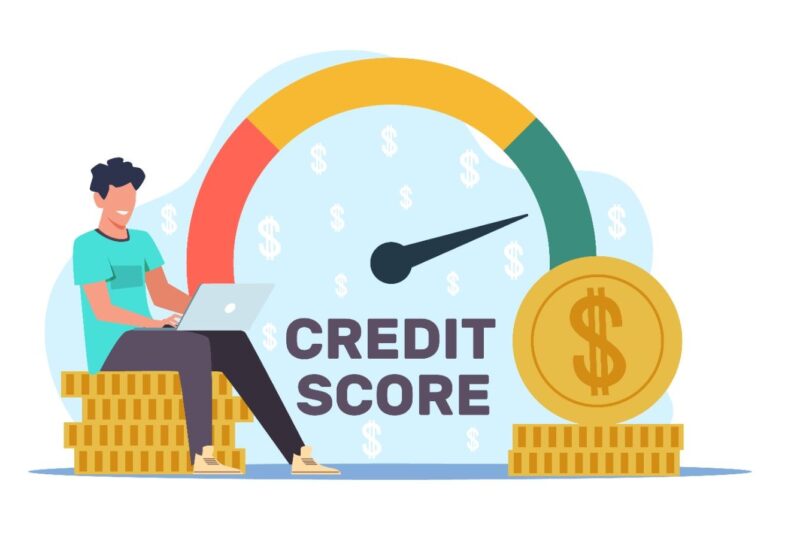
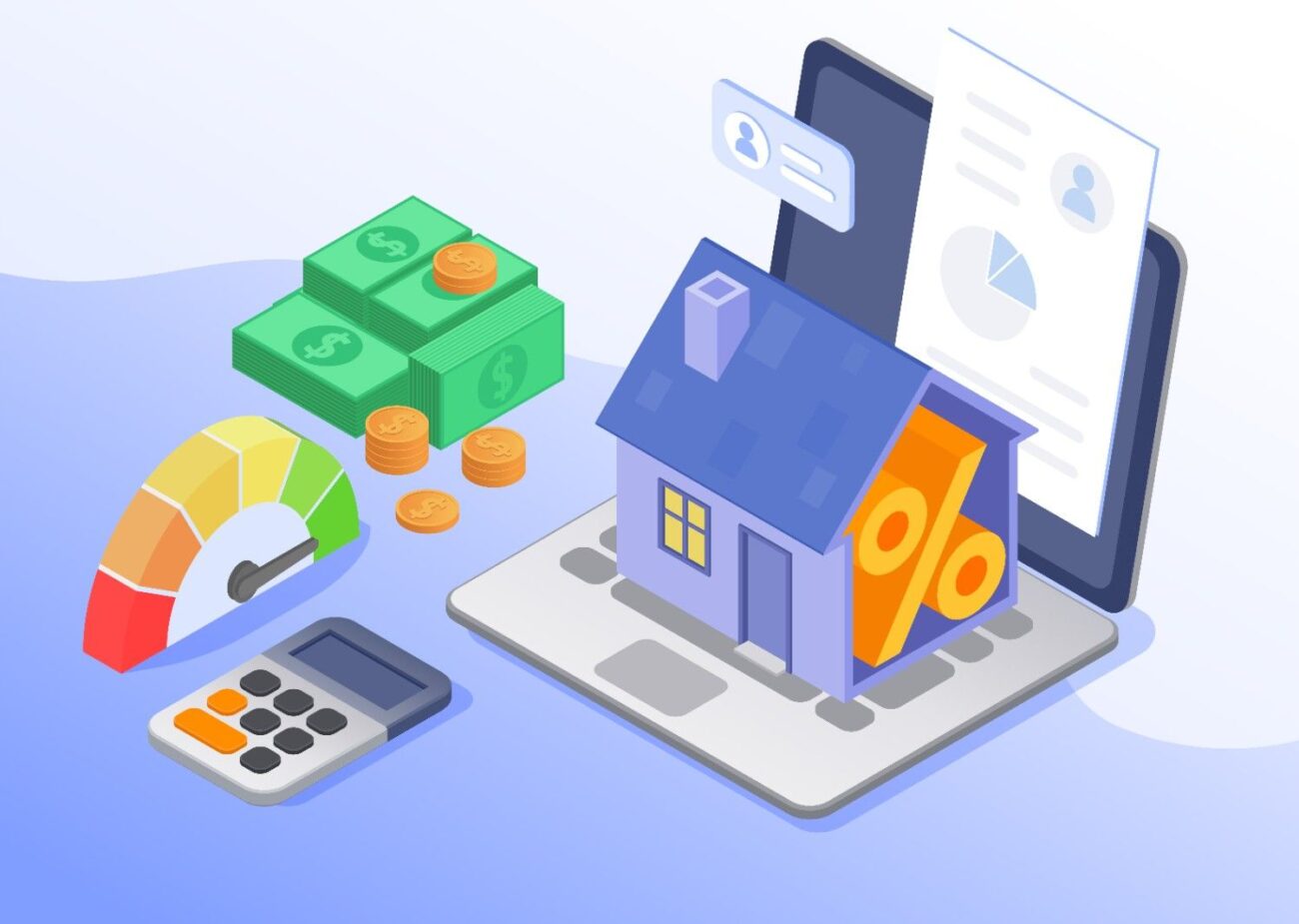
Building a strong credit score is something many people struggle with, especially when they are just starting their financial journey. For a long time, credit scores were mainly determined by loan repayments and credit card usage. But now things are changing. In India, rent payments, electricity bills, postpaid bills, and even broadband bills can impact your credit score when paid regularly.
This guide will help you understand how it works, how you can benefit from it, and how platforms like Olyv make it easy to track your credit profile.
Why Rent and Utility Payments Matter
Rent and monthly utility bills are a significant part of one’s financial obligations. Therefore, if these payments are made punctually every month, they reflect a responsible way of handling one’s finances. This responsible action has now been turned into a strong credit score.
The reason is as follows,
- These payments show consistency
- They indicate financial strength over a long period
- They empower lenders to grant loans with less risk
Previously, these payments were completely ignored. At present, they can be included in your credit-building process through reporting systems.
How Rent Payments Affect Your Credit Score
Rent payments are now shared with credit bureaus through authorised rental reporting agencies. This means that every time you pay rent on time, it adds a positive value and a missed or a delayed payment will also be counted as negative.
What lenders understand from rent payment data
| Information | What It Shows |
| Monthly rent value | Your capacity to manage expenses |
| Payment history | Your financial discipline |
| Tenure of rent | Long-term financial stability |
Utility Bills That Can Support Credit Score Growth
When utility bills are paid on time and consistently, they can indirectly help establish a strong credit history.
These bills include,
- Electricity bills
- Internet bills
- Water bills
- Mobile (postpaid) bills
- Gas bills
And most importantly, all of them are to be paid before the deadlines.
How Utility Bills Affect Credit Score
Utility bills affect your credit score in the following ways,
- Showing the lender your monthly repayment behaviour
- Proving that you are a responsible lifestyle person
- Zero outstanding liability trend (no unpaid bills at all)
Lenders will consider you as a low-risk borrower.
How to Report Rent and Utility Payments
Presently, there are a number of fintech companies that offer the option to report and verify these payments.
Follow these steps,
1. Keep proof of payments
Store important documents, for example,
- Bank statements
- Online payment receipts
- Lease agreement
2. Register with a reporting platform
There are companies that file verified rent information with credit bureaus.
3. Ensure every month’s payment is correctly recorded
It is only on-time payments that build your score.
4. Regularly monitor report changes
This informs you of detected issues quickly.
How Olyv Contributes to Credit Score Increase
Olyv simplifies the process of credit score monitoring and reporting for users. If you do not have any loans or do not possess an active credit card, decent rent and utility payments will serve to create your first positive credit history.
With Olyv, users can do the following,
- Monitor monthly score changes
- Spot factors that influence the score negatively
- Know how repayment practices improve your score
With a solid credit score reported, lenders get more inclined to grant approvals on loans and cards.
Benefits of Using Rent and Utility Payments for Credit Score
You benefit if you,
- Do not hold an existing credit card
- Not have prior loans
- Have recently commenced financial planning
- Be a student, young employee, or freelancer
Then you receive,
- Quicker score improvement
- More precise financial profile
- Smoother loan approval experience
This technique is particularly helpful for people with no credit or very limited credit.
Things That Can Lower Benefits
Rent and utility payments are beneficial, yet mistakes can reduce their value.
Stay clear of these mistakes,
- Paying after the deadline
- Paying in cash without any proof
- Not paying for a month
- Not updating rental agreement details
- Letting utility bills remain unpaid
Late payments may be interpreted as defaults, thus decreasing the score considerably.
How Fast Does Credit Score Improve?
Score improvement depends on,
- Regular Payment (minimum 6 months)
- Your current credit history
- Total monthly expense amount
- No missed payments
Usually,
- First visible improvement: 45–90 days
- Major improvements: 6–12 months
This gradually builds the trust that will be needed for future financial requirements.
When Rent and Utility Payments Alone Are Not Enough
You still might require,
- A basic credit card
- A small personal loan
- A secured credit line
- Higher credit limit
It is because Credit bureaus still consider loan repayment behaviour as the most significant factor.
For example, an amount of ₹5,000 for utility bills is not as strong as a history of ₹15,000 EMI.
Still, these payments help fill gaps where traditional credit history is missing.
Simple Tips To Use Rent and Bills For a Strong Score
Make use of these month after month,
- Pay on or before due dates
- Maintain online proof of payments
- Always keep your phone number updated
- Have regular transactions with your bank
- Don’t let payments bounce
If continuously followed, you will create a very good financial profile.
Quick Recap
| Action | Impact on Score | Importance |
| Pay rent on time | High | Shows stability |
| Pay utilities on time | Medium | Shows consistency |
| Keep receipts saved | High | Helps dispute errors |
| Verify details in the credit report | Very High | Fixes mistakes faster |
Conclusion
In India, rent and utility payments are starting to have a major impact on the increase in credit scores. To build up a solid financial reputation, especially for those with no credit history, every responsible person should take advantage of it.
Although rent and utility payments might not provide the same full-blown proof of credit behaviour as loans do, they are, nonetheless, a very good place to start. The combination of disciplined shopping, timely payments, continuous monitoring, and other similar factors can make anyone move from no credit to a good credit score quite easily and surely.
Be consistent. Pay all your bills before the due date. Keep a record.
This is the easiest way to strong credit performance and eventually better loan opportunities.