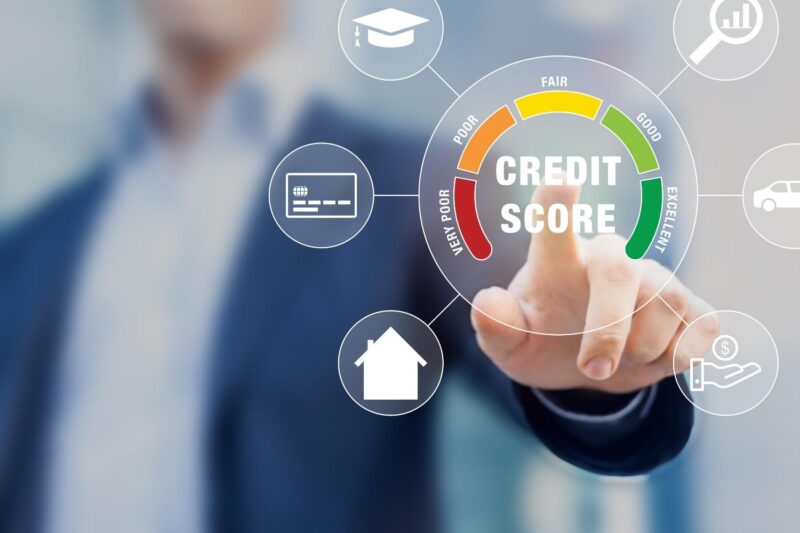
Maintaining a strong credit score matters for every person who plans to use money smartly in the future. People often believe that the only way to improve their score is by taking loans or new credit cards. But that is not true. In fact, there are practical ways to raise scores without increasing debt, and they do not involve adding more financial pressure.
This guide explains how you can boost your score using your existing financial habits, without applying for new credit.
Why Improving Credit Score Matters
A strong score offers lots of advantages,
- You receive improved loan offers
- Banks approve faster
- You pay lower interest charges
- You gain trust over a long period
A high score is a money saver. Even a slight variation in score has a big impact on interest rates.
Understanding How Credit Score Works
Before learning how to raise score without increasing debt, you must understand what makes up a credit score.
| Credit Factor | Approx. Weightage |
| Payment History | Highest |
| Credit Utilisation | Very High |
| Credit Age | Medium |
| Mix of Credit | Medium |
| New Credit Enquiries | Low |
This reveals the truth: your score can improve even when you are not taking a new loan.
Step-by-Step Ways to Raise Score Without Increasing Debt
1. Pay Bills Before the Due Date
Your payment history is the biggest determining factor. Even if a late fee is only a small amount, it will still lower your rating.
Follow these habits,
- Pay credit card bills on or before the due date
- Enable auto-pay for dues
- Set reminders
A single delay may bring a score down.
2. Reduce Credit Card Utilisation
Many individuals fully use their card limit and pay only the minimum amount. This is a mistake.
A smart way to raise score without increasing debt is to reduce utilisation. Here are some tricks to follow,
- Use below 30% of the credit limit
- No expenses at full limit
- Divide purchases over months
For example, you have a limit of ₹60,000, so an ideal usage would be below ₹18,000.
3. Do Not Close Old Accounts
Age of credit is friendly to your score. Long-term accounts mean healthy financial habits.
Avoid closing,
- Old credit cards
- Old active bank accounts linked to past credit history
If you keep the older cards, your credit age will continue to increase.
4. Pay More Than Minimum
Minimum payment ensures that you escape the penalty. However, not fully paying the principal allows the interest to grow.
Implement these techniques,
- Use surplus income to pay off old balances
- Pay weekly instead of monthly
- Round up your payments
For example, if the bill is ₹6,450, pay ₹7,000. Little increments will reduce interest quickly.
Habits That Automatically Increase Score
The following habits raise the score slowly without debt increase.
- Keep no outstanding balances
- Make small recurring payments, mobile bills, OTT bills, and broadband payments
- Keep a stable bank balance
- Avoid frequent credit inquiries
- Use only one main credit card
This is consistent with your behaviour and demonstrates to the lenders that they can trust you and that you are not dependent on loans.
Mistakes That Lower Your Score
A lot of individuals are having their scores improved, but at the same time are unknowingly driving their scores down further.
Among the most popular mistakes one can make are,
- Not paying EMI on time
- Paying only the minimum due for months
- Using the full limit of the card every month
- Taking out several loans at the same time
- Cancelling old cards
- Not correcting mistakes on the credit report
Even if you try to raise score without increasing debt, these mistakes cancel progress.
Errors and Their Impact on Credit Score
There are situations where even if you are following the strictest of credit habits, your score still goes down. And the reason for such a situation can be the mistakes, which are part of your credit report.
Mistakes that are usually found in reports,
- Incorrect mobile number
- Incorrect PAN number
- Two accounts for one person
- Loan closed but not updated in the records
You can get those errors corrected by filing disputes with the credit bureaus.
Sample Timeline to Improve Score
| Timeline | What You Should Do |
| First 1 Month | Clear unpaid balances |
| Month 2–3 | Reduce utilisation below 30% |
| Month 4–6 | Maintain payments on time |
| Month 6–9 | Keep accounts active |
| Month 9+ | Score shows measurable growth |
Safest Practices That Improve Score
Another way to raise score without increasing debt is by building positive financial proof.
Try the following,
- Keep the salary account active
- Have small auto-bill payments
- Pay quarterly insurance premiums punctually
- Keep bank transactions regular
These are regarded as positive financial behaviours.
Should You Borrow to Enhance Your Score?
Definitely no. Some individuals seek small loans only to improve their score. It is a pricey and unnecessary practice.
Instead, you can,
- Use your credit card wisely
- Limit your usage
- Create repayment consistency
A credit score is not determined only by the amount you borrow. It is about the responsibility of your repayment.
Can Score Improve Even If You Stopped Using Loans?
Definitely, yes. If you keep demonstrating good habits, your past positive records will still count.
Example of improvements without a new loan,
- Paid-off old loans are still visible
- Low utilisation looks good
- No current defaults increase trust
This is the reason why it is possible to raise score without increasing debt, even during the time when you are not borrowing.
Checklist before Implementing any Strategy
Verify,
- There are no pending late payments
- Credit bureau information is updated
- Phone number and PAN are matching
- You monitor changes monthly
- You can assess score changes every 90 days
Do not expect results after one week. The credit score gets better slowly but surely.
Conclusion
Improving your score does not mean taking more loans. Financial discipline itself is proof of credibility. When you keep lower card usage, pay dues early, maintain old accounts, and resolve errors, your rating improves naturally.
You can raise score without increasing debt just by following structured habits. The most powerful part is consistency. When banks see stability, they reward you with better offers, lower interest, faster approval, and greater trust.
Good credit does not come from more loans. It comes from responsible behaviour.