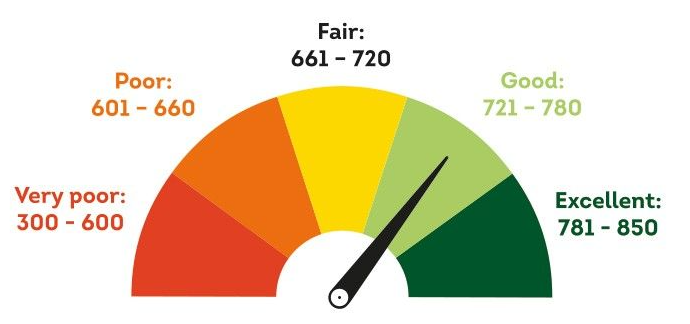

Have you ever wondered why, despite paying your bills on time, your credit score isn’t rising? Your credit utilisation ratio, which most people ignore, may hold the key to the solution. Your credit score is significantly influenced by this figure. In simple terms, it displays the amount of your available credit that you are currently using. And the good news is that once you know how to calculate it, it’s really simple.
Here, we will explain how to calculate your credit utilisation ratio in detail, explain what it means, and discuss how it affects your overall financial situation.
What is Credit Utilisation Ratio?
Credit Utilisation Ratio (CUR) is defined as the percentage of your available credit that you are using. CUR is calculated by dividing your total outstanding balances on all credit cards by the total credit limit, and this is an important determinant of credit scores.
If the credit utilisation ratio is low, not only is the person displaying responsible credit behavior, but the effect will also be positive on the credit score. It is recommended by experts that the credit utilisation ratio should remain as low as possible, less than 30%. On the other hand, if the ratio is high, the person involved is overusing his or her credit, which will result in a decrease in the overall credit score, even if he or she pays the bills on time. Controlling expenses, paying the credit card bills in full, and asking for a higher limit are all ways to keep the credit utilisation ratio low.
Hence let’s start from the base, the percentage of your total available credit that you are currently using is known as your credit utilisation ratio. It mainly applies to credit cards and other revolving credit accounts. For example, you are using 30% of your available credit if you have a credit card with a ₹1,00,000 limit and you have used ₹30,000.
For a strong credit profile, experts advise keeping this figure below 30%. This demonstrates to lenders that you are not too dependent on borrowed funds and that you responsibly manage your credit.
Why It Matters for Your Credit Score
The utilization ratio of credit has a significant impact on your credit score:
- Credit utilisation ratio impacts nearly 30% of your credit score. However, it is one of the most critical elements after credit history itself. Credit utilisation ratio reveals to lenders how much of their available credit you are using at any particular time.
- High utilisation indicates financial stress When you are using a large part of your credit limit regularly, this could appear problematic to lenders, as it might indicate that you are dependent on your credit for living and could cause you to fall into default.
- Low utilisation indicates credit discipline. Keeping your credit usage low reflects positive borrowing habits and financial management. That way, you will impress potential lenders your ability to manage credit without over-extending yourself.
- Better loan eligibility and interest rates Individuals who possess a low utilisation ratio are considered to be low-risk customers. Hence, his enhances the chances of availing loans and credit cards at reasonable interest rates.
- Lower usage results in a better credit score. In other words, the lesser amount of credit utilized relative to the credit allowance, the better the credit rating. Hence, keeping credit utilisation low, below 30%, can positively boost credit rating.
How to Calculate Your Credit Utilisation Ratio:
Step 1: Gather all your credit information
Gathering all information about your current credit cards should be your first step. Two pieces of information are required for every card: the amount you share right now. The credit limit is the highest sum that you can borrow. These details are available through your online banking app or your most recent credit card statement.
For example,
| Credit Card | Credit Limit | Current Balance |
| Card A | 50,000 | 15,000 |
| Card B | 1,00,000 | 30,000 |
| Card C | 75,000 | 10,000 |
Step 2: Add up all your balances and credit limits
The next step is to total up all your balances and credit limits. Let’s take a look at the previous example.
Total Balance = ₹15,000 + ₹30,000 + ₹10,000 = ₹55,000
Total Credit Limit = ₹50,000 + ₹1,00,000 + ₹75,000 = ₹2,25,000
Step 3: Divide your total balance by your total credit limit
Now divide your total balance by your total credit limit to find your utilisation ratio.
Credit Utilization Ratio = (Total Balance ÷ Total Credit Limit) × 100
Using our example:
(₹55,000 ÷ ₹2,25,000) × 100 = 24.4%
That means you’re using about 24% of your available credit, which is considered healthy.
Step 4: Calculate for Each Card Separately
While the overall ratio matters most, it’s also good to check the ratio for each card individually.
- Card A – (₹15,000 ÷ ₹50,000) × 100 = 30%
- Card B – (₹30,000 ÷ ₹1,00,000) × 100 = 30%
- Card C – (₹10,000 ÷ ₹75,000) × 100 = 13%
This helps you identify if one card is being used more heavily than others. Keeping each card’s usage below 30% can further improve your credit health.
Step 5: Review and monitor regularly
Every time you make a payment or buy something, your credit utilisation ratio fluctuates. For this reason, it is critical to keep a close eye on it. You can identify the new developments by reviewing your utilisation once a month, such as whether you frequently overspend on a single card or whether your ratio is rising too high. However, these days, a lot of credit monitoring apps offer real-time information on trends in your credit score and usage.
What is a Good Credit Utilisation Ratio?
The majority of financial experts believe that it is best to keep your utilisation below 30%. However, sticking around 10-20% can have a greater effect if you want to improve your score more quickly.
Here is a brief reference:
| Credit Utilisation Ratio | What It Indicates |
| 0-10% | Outstanding, demonstrates excellent financial self-control |
| 30-50% | Fair, attempt to lower your balance shortly. |
| Over 50% | dangerous, this could cause worry for lenders. |
How to Keep Your Credit Utilisation Low
1. Make Early Payments on Your Balances
In order to keep your credit utilisation low, rather than waiting for the due date, make payments before the closing date of your statement. This guarantees a lower balance on your credit report. Moreover, it also helps in practicing discipline in finance management and it makes you a responsible borrower.
2. Ask for an Increase in Your Credit Limit
Your bank or lender may increase your credit limit if your income has increased or if you have been using your card responsibly, which would immediately reduce your utilisation ratio. This will help the lender believe that you can manage your finances due to higher income.
3. Divide Up the Costs Among the Cards
It is a good habit to maintain and balance your money management. Make sure to divide your expenses into credit card and debit card. Make all the basic payments through your debit card and some sudden payments through credit card. To keep a low ratio on each card, divide purchases across several cards rather than using all of them.
4. Avoid cancelling previous credit cards
Using too much of a credit card will result in the rise in your usage percentage and will be considered as closing a card because it lowers your total available credit. Try to manage and make small, manageable purchases to keep older cards active.
5. Check Your Expenses
To make sure your spending stays below a specific percentage of your limit, set alerts or make use of various budgeting tools. And be a responsible spender as it will help you in the long run.
Common Mistakes People Make
Many people make minor mistakes that affect their utilisation score, even when they perform well. Let’s clarify some beliefs:
- Paying after the statement date – The balance at the time of reporting may still seem high even if you pay your bill in full later.
- Ignoring older cards – Maintaining open, unused cards with little activity improves your ratio.
- Overusing credit during emergencies or sales – To prevent a brief decline in credit, plan large purchases or pay them off right away.
Why Monitoring Your Credit Utilisation Ratio is a Smart Habit:
Your utilisation ratio is an important part of your credit report, which provides lenders with information about your financial management skills.
When you maintain a low level:
- The chance of your loan being approved will increase.
- Better credit card and loan interest rates will be available to you.
- Over time, your credit profile will become more secure and consistent.
In simple terms, you are a preferred borrower if your credit utilisation ratio is low, which shows financial discipline.
FAQs:
Q1. When Do Credit Card Issuers Report Balances to the Credit Bureaus?
Most credit card companies report their balance once a month, not on the payment due date, but on the statement generation date.
Q2. How Does Closing a Credit Card Affect Your Credit Utilization Rate?
Once you close your credit card, your total available credit will be reduced, which can harm your credit score.
Q3. Is 30% a Good Credit Utilization Ratio?
Yes, it is healthy and will keep you at a good level of credit worthiness if it stays at or below 30%.
Q4. How Long Can a High Utilization Rate Hurt Your Credit Score?
While a high utilization rate may adversely affect your credit score as long as the rates are high, the effect will be reduced once the rates are lowered.
Conclusion:
Your credit score can be greatly affected by your credit utilisation ratio, which is easier to calculate than it may appear. You can maintain financial control and gradually improve your credit profile by using less, making your payments on time, and keeping a close eye on your credit.