Unexpected costs can arise at any given time. For instance, a medical expense, urgent travel, repair of a mobile device, or a temporary loss of a job can disrupt your monthly financial plan. Thus, emergency fund planning is considered one of the most essential financial habits you can establish.
Most people assume that saving money requires a decent salary or a lot of time. However, the reality is that you can start saving money as long as you are willing to do so. Thus, a 20000 emergency fund can offer you short-term financial security.
In this guide, we will discuss how you can establish your emergency fund quickly, provide you with saving hacks, as well as how a 20000 emergency fund can help you during a crisis.
What Is an Emergency Fund?
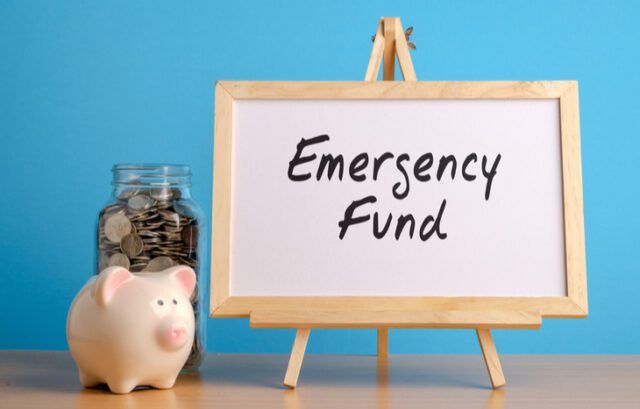
An emergency fund refers to money that you save for unexpected costs only. It is not meant for shopping or a vacation.
Common emergencies include:
- Medical expenses
- Car or bike repair
- Urgent home repairs
- Temporary income loss
- Sudden travel needs
Without any savings, people are forced to spend by borrowing money. This creates problems.
This is why emergency fund planning matters.
Why Start with ₹20,000?
Typically, experts suggest saving 3-6 months of expenses. This can be overwhelming.
Start with a manageable goal.
A 20000 emergency fund is a practical first milestone because:
- It covers small to medium emergencies
- It reduces dependency on high-interest loans
- It builds financial confidence
- It is achievable within a few months
Start with a goal you can accomplish. Once you get into the habit, you can increase the goal.
How to Build an Emergency Fund Fast
If you are confused and thinking how to build an emergency fund fast, here are some steps to be taken.
1. Decide on a Clear Timeline
Define your goal to save ₹20,000 in a certain period of time.
For example:
| Timeline | Monthly Saving Required |
| 2 Months | ₹10,000 |
| 4 Months | ₹5,000 |
| 5 Months | ₹4,000 |
| 10 Months | ₹2,000 |
Choose a realistic timeline based on your income.
2. Track Your Monthly Expenses
Write down all expenses for one month:
- Rent
- Groceries
- Transport
- Subscriptions
- Dining out
- Online shopping
You will likely find small unnecessary expenses that can be reduced.
3. Use the 50-30-20 Rule (Modified)
Normally:
- 50% for needs
- 30% for wants
- 20% for savings
If building a fund urgently, temporarily shift to:
- 60% needs
- 20% wants
- 20% emergency savings
This speeds up emergency fund planning.
4. Cut Small Daily Expenses
Saving small amounts daily adds up.
For example:
| Expense Reduced | Monthly Savings |
| Skipping 5 café visits (₹200 each) | ₹1,000 |
| Reducing food delivery | ₹1,500 |
| Cancel unused subscription | ₹500 |
| Using public transport occasionally | ₹1,000 |
| Total Monthly Savings | ₹4,000 |
In five months, that alone can help you build a 20000 emergency fund.
5. Save Windfalls and Bonuses
Whenever you receive:
- Bonus
- Tax refund
- Gift money
- Freelance income
Direct it toward your emergency fund instead of spending it.
This accelerates how to build an emergency fund fast.
Where Should You Keep Your Emergency Fund?
The money should be:
- Easily accessible
- Safe
- Separate from daily spending account
Good options include:
- Savings account
- Short-term fixed deposit
- Liquid mutual fund
Avoid investing emergency money in risky options like stocks.
Why Emergency Fund Is Better Than Borrowing
Let’s compare:
Emergency Expense: ₹20,000
Option 1: Using Emergency Fund
- No interest
- No EMI
- No stress
Option 2: Taking a Personal Loan
Interest Rate: 18%
Tenure: 12 months
EMI: Approx ₹1,830
Total repayment: ₹21,960
You pay almost ₹2,000 extra.
While digital platforms like Olyv and other lending services may facilitate quick support during urgent needs, having your own emergency savings avoids interest costs entirely.
Psychological Benefits of Emergency Fund Planning
Beyond money, savings provide:
- Peace of mind
- Reduced financial anxiety
- Better financial discipline
- Confidence during uncertainty
Knowing you have ₹20,000 set aside changes how you handle unexpected situations.
Plan to Build ₹20,000 in 4 Months
Assume your monthly income is ₹25,000.
1: Cut your expenses by ₹3,000
2: Take small freelance work for ₹2,000
3: Try to save ₹5,000 per month
In 4 months:
₹5,000 × 4 = ₹20,000
This plan shows a practical way to create an emergency fund.
What Happens After You Reach ₹20,000?
Once you build your 20000 emergency fund, don’t stop.
Next targets could be:
- ₹50,000
- 1 month of expenses
- 3 months of expenses
Emergency fund planning is a long-term habit.
Common Mistakes to Avoid
Avoid these mistakes:
- Using the fund for shopping
- Not replenishing after using it
- Keeping it in risky investments
- Mixing it with regular spending account
Treat it as untouchable unless truly necessary.
Emergency Fund vs Investment
An emergency fund is not an investment. It is protection.
Investments aim to grow wealth.
Emergency funds aim to protect wealth.
Both are important but serve different purposes.
What If You Cannot Save Much?
If your income is tight:
- Start with ₹500 per week
- Automate savings
- Save coins or cashback rewards
- Reduce high-interest debt first
Even slow progress is progress.
Consistency matters more than speed in emergency fund planning.
How Emergency Fund Protects Your Credit Score
Without savings, you may:
- Miss EMI payments
- Use credit cards excessively
- Take high-interest loans
This can damage your credit profile.
A small emergency fund helps both your wallet and your credit score.
Emergency Fund for Self-Employed Individuals
If your income varies:
- Save during high-income months
- Keep at least 1–2 months of expenses
- Avoid depending only on credit
However, freelancers and gig economy workers need emergency funds even more.
Final Thoughts
You do not need a high salary to build an emergency fund. You just need self-discipline and a goal. Having an emergency fund of 20000 is simple, doable, and profitable.
To recap:
- Set your goal
- Spend less
- Save consistently
- Keep funds accessible
- Rebuild after using
Learning how to build an emergency fund quickly can bring financial freedom and peace of mind.
Emergencies happen unexpectedly. Preparation is not.
Start your emergency fund planning today, even if it’s with a small amount. The sooner you begin, the stronger your financial foundation becomes.