Credit scores have a large impact on loan approvals, credit card usage, and even interest rates. However, people often make financial decisions based on understanding half truths and credit score myths. Such myths and half truths often lead to unnecessary fears and confusions.
Does checking your credit score lower your points? Will closing your credit card account positively impact your credit score? Will paying your loan always increase your credit score?
In this article, we will discuss common myths and facts about credit scores, and explain to you how credit scores work, and how you can make the right financial decisions.
Understand How Credit Scores Work
Before discussing the myths and facts of credit scores, it is essential to understand how they work.
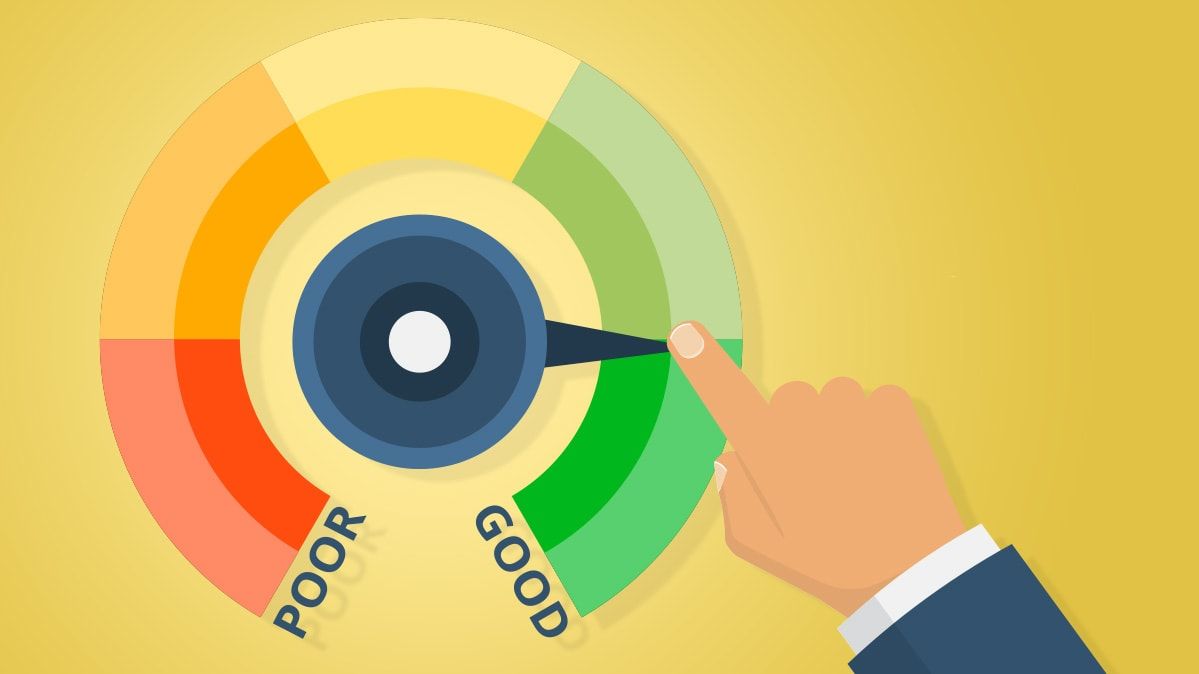
In India, your credit scores can vary between 300 and 900. The more points your credit score has, the better your creditworthiness. Lenders consider this score to evaluate your repayment habits and financial behaviour.
Your credit score is calculated based on:
- Payment history
- Credit utilization
- Length of credit history
- Credit mix
- Recent credit inquiries
Each factor has a different weightage.
Credit Score Calculation Breakdown
Here’s an approximate breakdown of how credit scores are calculated:
| Factor | Weightage (Approx.) | Impact on Score |
| Payment History | 35% | Very High |
| Credit Utilization | 30% | High |
| Credit History Length | 15% | Moderate |
| Credit Mix | 10% | Moderate |
| Hard Inquiries | 10% | Low to Moderate |
Understanding this helps separate credit score myths and facts from reality.
Some Common Credit Score Myths And facts
Checking Your Own Credit Score Lowers It
This is one of the most common credit score myths.
Fact:
Checking your own score is called a “soft inquiry.” It does not reduce your score.
Only “hard inquiries,” such as when you apply for a loan or credit card, may slightly impact your score.
Regularly monitoring your credit report is actually a good financial habit.
Closing a Credit Card Improves Your Score
Many people believe that closing unused credit cards boosts credit health.
Fact:
Closing a credit card may actually reduce your score.
Here’s why:
- It reduces your total available credit.
- Your credit utilization ratio increases.
- It shortens your credit history length.
If there are no fees, it can be helpful to maintain the card.
A High Salary Means a High Credit Score
Income level and credit score are two different entities.
Fact:
A credit score is not directly related to income level, although a person can have a low income level and a high credit score by:
- Pay EMIs on time
- Keep credit usage low
- Avoid defaults
Knowing how credit scores are calculated can clear up this misconception.
Paying Loan Amount Immediately Increases Your Score
Paying off a debt is a positive step, although it does not produce a significant increase in credit score immediately.
Fact:
If you close your only active loan, your credit mix may reduce. Your score may remain stable or slightly fluctuate.
Score improvement happens gradually through consistent repayment behavior.
Settling a Loan Is the Same as Closing It
This is a dangerous myth.
Fact:
Loan “settlement” means paying less than the full outstanding amount. It negatively affects your credit report.
A “closed” status is healthy.
A “settled” status can reduce your score significantly.
However, if possible always consider for a full repayment and avoid the settled status on your profile.
No Credit History Is Better Than Bad Credit
Some believe avoiding credit altogether keeps them safe.
Fact:
No credit history means no credit score. Lenders may hesitate because they cannot assess your repayment behavior.
Building small credit responsibly is better than having no record.
Applying To Multiple Loan Applications Increases Your Approval Chances
Borrowers get confused and apply for too many lenders at the same time.
Fact:
Each application triggers a hard inquiry. Too much inquiries within a short period can reduce your score.
Space out applications and apply only when necessary.
Example: Impact of Credit Utilization
Let’s understand with numbers.
Credit Card Limit: ₹1,00,000
| Usage | Utilization Rate | Score Impact |
| ₹20,000 | 20% | Positive |
| ₹50,000 | 50% | Neutral to Slightly Negative |
| ₹90,000 | 90% | Negative |
Utilization rates lower than 30% are always encouraged.
Once Your Score Drops, It Never Recovers
This belief creates panic among borrowers.
Fact:
The fact is, credit scores are dynamic. Your credit score can actually improve over time with good repayment behavior and reduction of debt levels.
Late payments remain on your credit report for a long time, but the negative impact lessens over time with good behavior.
Only Big Loan Amount Affect Credit Score
Small credit cards and small personal loans also influence your score.
Fact:
Every credit product reported to bureaus contributes to your credit history.
Even small defaults can reduce your score significantly.
How Credit Scores Work For Loan Approvals
Lenders use credit scores to:
- To evaluate the risk of repayment
- Decide interest rates
- Approve or reject applications
- Discover loan amount
For example:
| Credit Score | Loan Approval Chance | Interest Rate Range |
| 750+ | Very High | Low |
| 700–749 | High | Moderate |
| 650–699 | Moderate | Slightly High |
| Below 650 | Low | High |
Higher scores mean lower borrowing costs.
Building a Healthy Credit Profile
To improve your credit profile:
- Pay EMIs before due date
- Credit utilization should be less than 30%
- Avoid making too many loan requests
- Balance between secured and unsecured loans should be maintained
- Credit report should be checked for errors
Small, consistent actions make a big difference.
Digital Lending and Credit Awareness
The development of digital lending platforms has led to a rise in credit awareness. Olyv and other financial service providers allow borrowers to be aware of their credit repayment obligations before taking loans.
However, it is your responsibility, irrespective of the source, to maintain good credit habits.
Why Credit Score Myths Can Be Harmful
Believing in credit score myths can:
- Lead to poor financial decisions
- Increase loan rejection risk
- Raise your borrowing costs
- Harm your long-term financial well-being
Knowing credit score myths and facts is essential to make wiser decisions.
The Reality of Credit Scores
To briefly review credit scores work:
- They reward timely repayment.
- They penalize missed payments.
- They reflect credit discipline, not income.
- They improve with consistent good behavior.
Credit scores are not mysterious. They are mathematical representations of your financial habits.
Final Thoughts
Credit scores have a significant impact on your financial life. However, the way they work is not always clear. By understanding the myths and facts about credit scores, you can make smart decisions.
Remember:
- Checking your score is safe.
- Closing old cards may hurt your score.
- Payment history is the most important factor.
- Responsible borrowing builds strong credit.
Being financially aware is one of the most powerful things you can do. By understanding the reality of credit scores, you can have better control over your borrowing experience.
Having a high credit score is not an overnight process, but with discipline, it can become one of your most valuable financial assets.