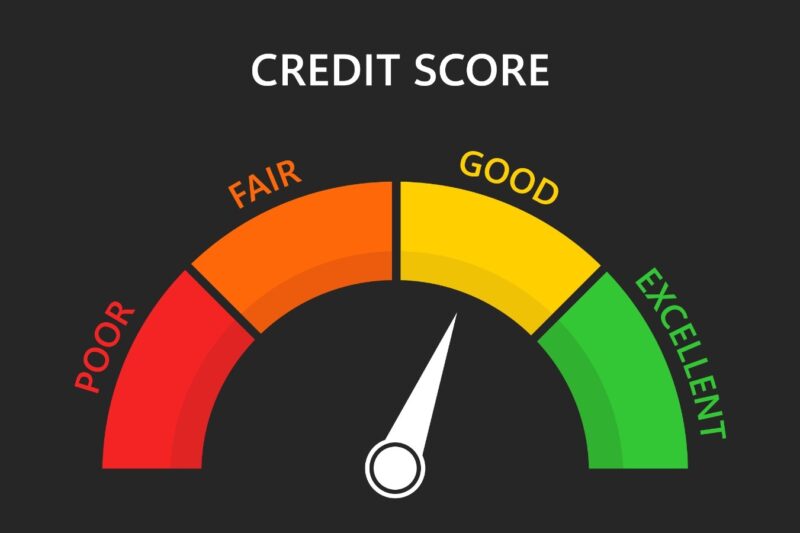
Getting a credit report is one of the most crucial steps in keeping your finances healthy. A lot of people just care about their credit score, however, the report that comes with the score reveals the entire situation. A credit report check displays your payment history, credit limits, loan information, inquiries, and even errors that might be affecting your score without your awareness.
These days, banks, NBFCs, and digital lending apps are all heavily dependent on credit reports to make a decision about your loan application. Hence, knowing what to check for in every credit report can help you, not only to avoid mistakes and improve your profile but also to get quicker approvals.
With the use of platforms like Olyv, users are always encouraged to keep an eye on their credit reports because even a tiny mismatch can cause an individual’s chance of being eligible for instant personal loans and fast-disbursement products.
Why Doing a Credit Report Check Matters
A score alone can’t guarantee the correctness of your details, but a credit report check can assist you in,
- Early error detection
- Monitoring repayment behaviour
- Knowing how utilization of credit works
- Uncovering fraud or unexpected loan requests
- Making future loans more likely to be approved
Every time there is a new update from the lenders, there is a change on your report. If you don’t monitor the report, the problems can remain unnoticed for a long time, even for months.
Important Factors to Check Off During a Credit Report Check
1. Personal Details Accuracy
The very first step is to confirm that your personal information is error-free, including,
- Name
- PAN
- Date of birth
- Contact information
Every little mistake in spelling can result in mismatches during the lender’s verification process.
2. Active Loan and Credit Card Details
Each credit report check should contain verification of your active credit accounts. Go through it for,
- Type of loan (personal loan, credit card, etc.)
- Principal amount
- Current balance
- Details of tenure and EMI
If a loan is reported that you never applied for, immediately notify the bureau.
3. Repayment History
The repayment history section is of great importance and has recorded,
- Timely payments
- Missed EMIs
- Bounced payments
- Late credit card dues
Lenders like Olyv take a closer look at repayment behaviour, and based on it, they decide your eligibility and creditworthiness.
4. Credit Utilisation Pattern
Among other things, credit report checking gives an idea of how much credit the borrower is using each month. The usage of above 40-50% impacts negatively by,
- Lowering your credit score
- Increasing interest rates
- Turning lenders’s perception into risk
Low and stable utilisation will indicate that the borrower has great financial habits.
5. Loan And Credit Card Inquiries
The lender performs a credit report check each time you apply for a loan, which is termed a hard enquiry. A drop in your score can result from too many hard inquiries in a short time frame.
Look for,
- Unfamiliar enquiries
- Accidentally submitted multiple applications
- Lenders contacting you whom you never reached out to
This part of the credit report check helps in preventing fraud at an early stage.
6. Old or Closed Accounts
At times, closed loans were represented as “active”. A credit report check should confirm,
- Right closure status
- Zero outstanding balance
- No pending dues
If closed accounts contain incorrect details, raise a dispute with the bureau without delay.
7. Errors and Mismatches
A large number of borrowers come across inaccuracies including,
- Mistaken outstanding amounts
- Duplicates
- Incorrect credit limits
- EMI delays against timely payments
These errors can pull down your score.
How Olyv Helps You Monitor Your Credit Report
Digital platforms like Olyv support users with,
- Reminders for timely repayments
- Tracking usage
- Repayment behaviour insights
- Tools to maintain discipline and avoid score drops
By taking advantage of these features, borrowers can keep a clean and strong credit profile.
How Often Should You Do a Credit Report Check?
The experts suggest that a credit report check should be done at least,
- Once every three months
- Before any loan application
- After a credit card or loan closing
- Whenever there is a doubt about an error or a suspicious enquiry
With regular checks, your score is reflective of your actual credit behaviour.
Conclusion
A credit report check is not just a formality, it is a smart habit that protects your financial reputation. You can see personal information, payment records, and usage rates, and also know about the inquiries and changes in the loan. Thus, you can discover problems early and with such a habit, you can avoid long-lasting issues. Gradually, you will be well-trained and always ready for future credit requests and simultaneously you will be constructing a good credit reputation that is trustworthy by the banks.