
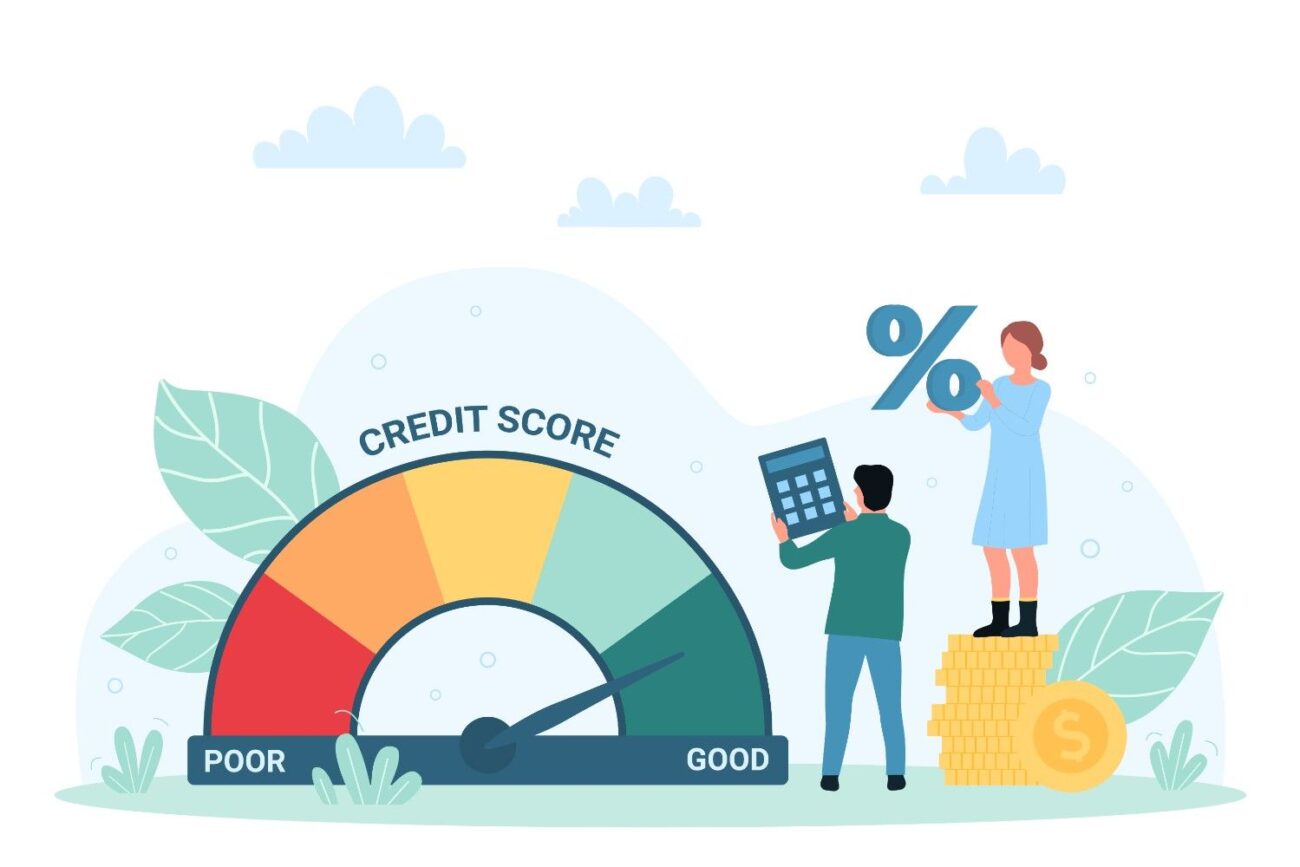
When you apply for a loan or credit card, the first thing lenders look at is your CIBIL score range. Many people believe that banks and NBFCs judge this score in the same way. But that is not fully true. While the score number remains the same, how banks and NBFCs interpret the CIBIL score range can be different.
In this guide, we will explain everything in very simple language. You will learn how banks see your score, how NBFCs see it, and what you can do to stay safe on both sides.
What Is a CIBIL Score Range?
The CIBIL score scale extends from 300 to 900. It reflects your ability to manage the money that banks or lenders have lent to you.
- Trust is better with a higher score
- Risk is higher with a lower score
The score comprises,
- Loan repayments
- Use of credit cards
- Delays in payments
- Total outstanding debt
The range is similar for all individuals, but the importance of each segment may vary depending on the lender.
Do Banks and NBFCs Adopt the Same CIBIL Score Range?
Without a doubt, both banks and NBFCs apply the identical CIBIL score range of 300–900. But no, they do not treat each range in the same way.
The main difference between banks and NBFCs is that banks are more careful, whereas NBFCs offer more flexibility.
How Banks Assess the CIBIL Score Range
Banks are strict lenders. They aim for low risk.
For most banks,
- 750+ is safe
- 700–749 is risk acceptance with conditions
- Below 700 is not safe
If your CIBIL score range is low, banks might,
- Reject your application for a loan
- Require additional documents
- Offer a higher interest rate
The banks are looking for stability in the long term.
How NBFCs Look at the CIBIL Score Range
Non-Banking Financial Companies (NBFCs) are more open to risk. They give priority to accessibility and rapidity above all.
Credit Rating Classification for NBFCs,
- Above 720 is excellent
- Between 650 and 719 is fine
- Under 650 could still receive approval
NBFCs, even with a lower CIBIL score range,
- Will approve only small loans
- Will charge higher rates of interest
- Will give short repayment periods
Olyv is one of such platforms that collaborates closely with NBFCs to secure faster decisions for users, particularly in cases where banks have refused the loan.
Banks vs NBFCs
| Factor | Banks | NBFCs |
| Risk level | Very low tolerance | Medium tolerance |
| Preferred CIBIL score | 750+ | 650+ |
| Approval speed | Slow | Fast |
| Interest rates | Lower | Slightly higher |
| Flexibility | Less | More |
This table clearly shows how the same CIBIL score range can lead to different results.
Why the Difference Exists
Banks use customer deposits. Non-Banking Financial Companies use private funding.
Because of this,
- Banks can provide extra security
- NBFCs are allowed to take more risks
That’s why the CIBIL score range is considered “stricter” at banks.
Does a Low Score Equal Rejection?
Not at all. A low CIBIL score range does not mean that you lose your chances.
NBFCs might still consider,
- Your present income
- Repayment history
- Job security
Some digital platforms, including Olyv, help users understand where they stand before applying, so they don’t face repeated rejections.
How Interest Rates Change with Score Range
Your CIBIL score range has a direct impact on interest rates.
- A high score indicates a lower interest rate
- A medium score indicates an average interest rate
- A low score indicates a higher interest rate
Banks are looking for top scores to offer the best rates. NBFCs vary interest rates according to risk.
Which is Better for You?
It really depends on your circumstances. If your CIBIL score range is strong, you want low interest, and you can wait longer, then go for a bank.
If your score is average, you need money quickly, and you want easier approval, then choose an NBFC.
Many people choose platforms like Olyv to compare options rather than relying on guessing.
How to Improve Your CIBIL Score Range for Both
Let’s take a look at the simple steps that everyone can follow,
- Pay EMIs on time
- Reduce the use of credit cards
- Do not apply for too many loans at once
- Look out for errors in your report
The above steps are a guarantee that you will be within the CIBIL score range that is acceptable by both banks and NBFCs.
Common Myths About the CIBIL Score Range
Myth 1 – Banks and NBFCs have different score numbers
False. The range remains the same.
Myth 2 – CIBIL is not checked by NBFCs
False. They do, but in a relaxed manner.
Myth 3 – A single rejection damages your score
False. Only hard checks done repeatedly count.
Why Understanding This Difference Matters
A lot of people apply without any knowledge. Their application gets rejected. This causes their score to drop again.
Understanding how financial institutions view the CIBIL score range helps you to
- Apply to the right platform
- Save time
- Prevent damage to your score
That awareness alone is very powerful.
Conclusion
The CIBIL score range is the same for everyone, but its meaning changes based on who is looking at it. Banks are strict and cautious, while NBFCs are flexible and open to slightly higher risk. Understanding this difference helps you choose the right lender, avoid unnecessary rejections, and plan your credit journey better. By managing your repayments, keeping debt low, and applying wisely, you can stay within a healthy score range that works for both banks and NBFCs. Over time, this smart approach leads to easier approvals, better interest rates, and stronger financial confidence.