Many people believe that a high income guarantees easy loan approval. This is not fully true. Banks and lenders look at many factors before approving a loan to an individual. One of the most important factors is your CIBIL score. Even if you earn well, a poor credit score can lead to loan rejection. On the other hand, a person with a modest income but a strong score often gets approved faster.
This guide will help you understand why your credit score is more important than income and how you can build a strong financial profile over time.
What is CIBIL and Why do Lenders Care
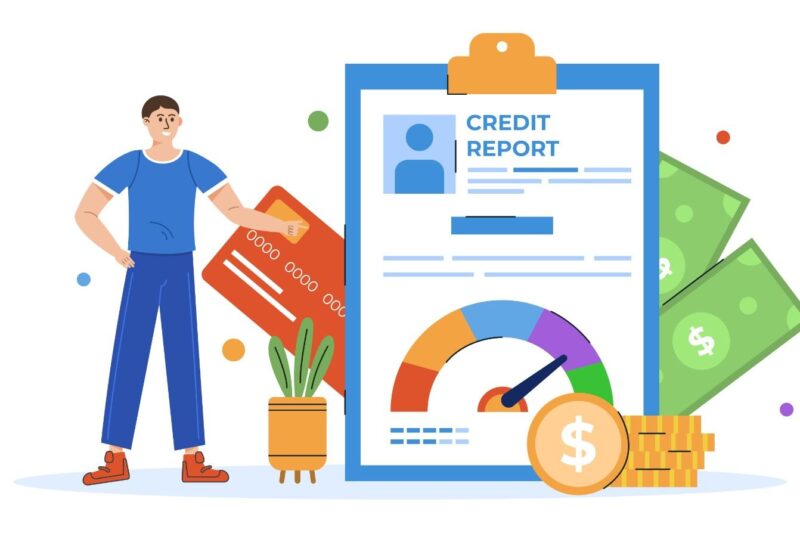
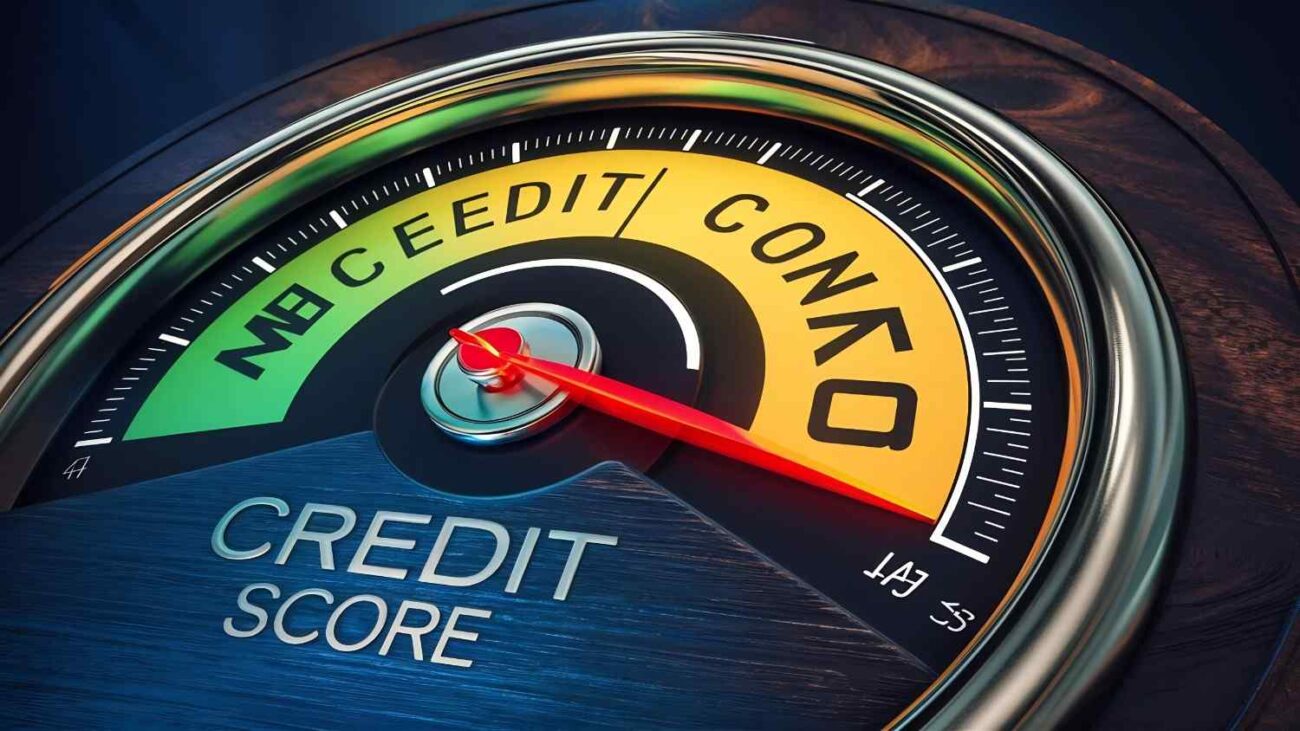
CIBIL is basically the credit score that usually ranges between 300 and 900. It is proof that shows how responsible an individual is with handling loans and credit cards in the past.
Banks rely on this score to understand,
- Whether you have a good repayment history
- How much credit do you use
- How often do you apply for loans
A higher score indicates that you are accurate and low risk. While a low score indicates a higher risk. This is one of the main reasons why lenders trust credit history more than the monthly income.
Income Is Temporary, Credit Behaviour Is Long-Term
Income can increase or decrease at any time. You may switch to another job, take a break, or run a business with irregular earnings. But even if all these changes happen, the only thing that stays up for years is your credit history.
Even if you earn well today,
- Late EMI payments
- Skipped credit card payments
- Too many loan applications
Can lower your CIBIL score. But on the other side, steady repayment habits help build trust over time, no matter how much your income is.
Why Banks Prefer Credit Score Over Salary
Banks face risk when they lend money. You want proof that you will repay.
This is the reason why CIBIL is even more important,
- Salary indicates earning potential, but it does not indicate any repayment ability
- Credit score reveals real past behaviour
- Payment history can not be easily faked
A person with consistent repayment habits is more reliable than one with high income but careless money management.
Real Life Example – Who Is Getting Approved Quicker?
Consider two individuals,
Person A
- Salary is ₹80,000
- Missed EMI payment for the 3rd time
- Heavy usage of a credit card
Person B
- Salary is ₹30,000
- Always pays on time
- Uses less than 30% of credit limit
The majority of the banks would prefer Person B since their CIBIL score indicates the ability to manage debt, though they earn less.
How Your Credit Score Affects Loan Terms
Your credit score not only determines loan approval but also influences the following factors,
- Interest Rate
- Amount of loan
- Duration of repayment
- Processing speed
Individuals with excellent CIBIL records often enjoy lower interest rates and are subjected to fewer inquiries before being approved.
Platforms like Olyv consider credit behaviour seriously while checking eligibility for fast and simple loan options.
Myths about Income and Credit Score
Myth 1 – A High salary automatically leads to loan approval
Reality – Without a good repayment history, loans can still be rejected.
Myth 2 – Credit score is of no concern for small loans
Reality – Even small personal loans depend on CIBIL checks.
Myth 3 – One missed payment does not matter
Reality – Even a single delay can affect your score for several months.
What Develops a Strong Credit Score Over Time?
To have a good CIBIL, you need to develop good habits such as,
- Pay EMIs before the due date
- Clear full credit card bills when you can
- Don’t apply for multiple loans at the same time
- Keep your old accounts open
- Monitor your credit report for mistakes
These habits are more important than your monthly income figure.
Why Young Earners Should Focus on Credit Early
Young professionals often fear credit matters, thinking that their growing incomes will eventually sort the issue out.
But the early mistakes stay strong,
- Student loan EMIs are not paid
- Credit card dues not paid
- BNPL (Buy Now Pay Later) misuse
Starting early with consistent payment habits helps create a CIBIL score that is strong enough to meet future needs, such as housing loans or business credit.
How Digital Platforms Assist in Discipline Building
The digital age has brought apps and online tools that allow users to keep track of their payments, get reminders, and observe their spending patterns.
Platforms like Olyv not only support the timely repayment but also provide a clear view of the dues and payment timelines. This keeps the users systematic and helps them prevent accidental delays.
Ways to Improve Credit Without Increasing Income
Increasing your CIBIL score does not necessarily require a salary increase.
Instead, you can,
- Cut down on the usage of credit cards
- Shut down loan accounts that are no longer needed
- Suffer no late fees whatsoever
- Follow regular payment habits
The above steps will gradually enhance your profile and make lenders confident.
Conclusion
Income may open the door, but your credit history decides whether you are welcomed in. A strong CIBIL score reflects discipline, responsibility, and consistency, qualities that lenders value more than a high salary number. By paying on time, using credit wisely, and avoiding unnecessary borrowing, you can build trust that lasts longer than any paycheck. Over time, this trust leads to easier approvals, better loan terms, and stronger financial stability.