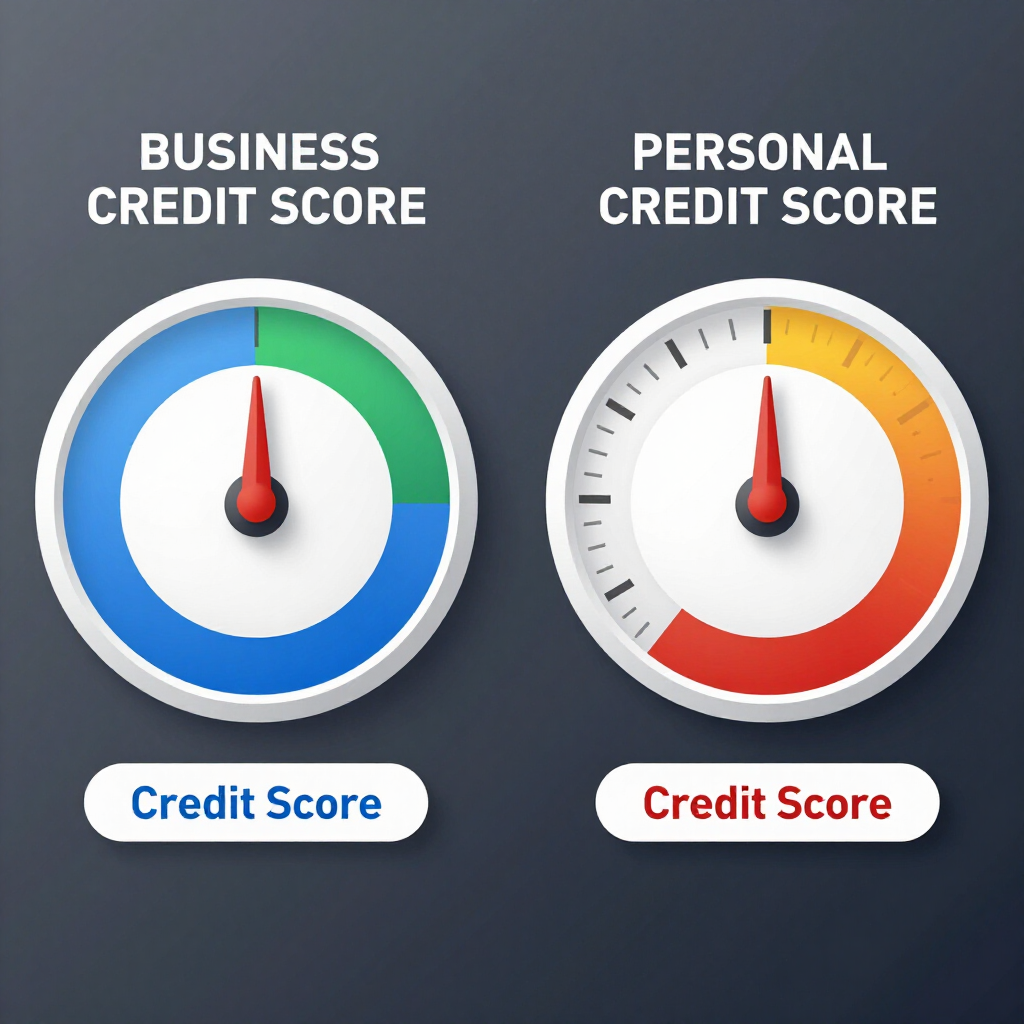
Credit score is one of the most important factors in the growth of finances, whether it is an individual or a businessman. This is because banks use credit scores to determine whether to lend money to an individual or how much to lend. Moreover, many businessmen are not aware that there are two different scores for finances, namely business credit score and personal credit score.
Hence, knowing the difference between the two credit scores will help entrepreneurs to manage their finances better, increase loan eligibility criteria, and protect personal assets while growing their businesses.
Understand A Business Credit Score:
A business credit score is an indicator of the creditworthiness of a business entity, not an individual. It is associated with the financial transactions of the company, payment history, and relationships with lenders and suppliers. It is essential for lenders to determine the capability of the business to repay the borrowed amount in a responsible manner.
It can be applied for:
- Business loans
- Working capital loans
- Vendor credit
- Trade financing
Having a good business credit score enables businesses to obtain loans without relying on the personal credit history of the owner.
Understand a Personal Credit Score:
Personal credit scores are a measure of an individual’s creditworthiness based on their personal financial practices. The scores are determined based on variables such as loan repayment, credit card usage, existing debts, and repayment history. Personal credit scores in India range between 300 and 900, with higher scores indicating greater financial responsibility.
Lenders requirements for the approval of:
- Personal loans
- Credit cards
- Home loans
- Vehicle loans
A good personal credit score improves the chances of loan approval and also enables one to negotiate lower interest rates.
Business Credit Score Range:
The range of business credit scores differs based on the credit reporting agency. Nevertheless, business credit scores usually follow a defined range that shows the risk level.
| Credit Score Range | Credit Quality | Lender View |
| 750 and above | Excellent | Very low risk, easy approval |
| 700 – 749 | Good | High approval chances |
| 650 – 699 | Fair | Moderate risk |
| Below 650 | Poor | Higher rejection risk |
Higher the credit score range, higher chances of improving eligibility for larger loan amounts and better interest terms.
Key Differences Between Both The Scores:
Understanding these key differences between both the scores will help business owners and entrepreneurs in the long run
- Ownership: A personal credit score is linked to an individual, while a business credit score is linked to a registered business entity.
- Purpose: Personal credit scores are used for personal loans, credit cards, and home loans. Business credit scores are used for business loans, working capital, and trade credit.
- Score Range: A personal credit score generally ranges from 300 to 900, whereas a business credit score range varies depending on the credit bureau and scoring model.
- Evaluation Factors: Personal credit scores focus on individual repayment history, credit card usage, and personal debts. Business credit scores assess company repayment behavior, outstanding dues, and business credit activity.
- Impact of Default: A personal loan default affects the individual’s financial profile. A business loan default impacts the company’s creditworthiness and borrowing ability.
- Visibility: Personal credit scores are accessed only by lenders with consent, while business credit scores may be visible to lenders, suppliers, and vendors.
- Risk Separation: A business credit score helps separate personal financial risk from business liabilities, while personal credit scores do not offer this separation.
- Importance for Growth: Personal credit scores matter more in early business stages, while business credit scores become more important as the company grows and seeks larger funding.
These differences highlight why maintaining both scores is important for long-term financial health.
Why This Credit Score Matters to Entrepreneurs:
Having a good business credit score can benefit entrepreneurs in the following ways:
- Obtain business loans without having to depend much on their personal credit score
- Avail favorable interest rates and repayment terms
- Establish credibility with lenders, suppliers, and investors
- Shield their personal assets from financial risks associated with their business
For small businesses, having a good credit score is an important milestone in achieving financial stability.
How Lenders Utilize Both Scores Together:
In most instances, lenders consider both the credit scores, particularly for small businesses or startups. When a business has a short credit history, lenders tend to depend on the personal credit score of the business owner.
As the business grows and establishes a good range of business credit scores, there is a gradual reduction in the dependence on the personal credit score. This assists the business owner in accessing higher amounts of funding without necessarily depending on the personal credit score.
Factors That Impact Business Credit Score
There are certain factors that can impact, and these include:
- Timely repayment of business loans
- Credit utilization ratio
- Business credit history length
- Outstanding payments to vendors
- Number of active credit accounts
Managing these responsibly helps maintain a healthy score and improves loan eligibility.
How to Enhance Business Credit Score:

Businessmen can enhance their business credit score by:
- Making timely payments of EMIs and vendor accounts
- Practicing responsible use of credit
- Avoiding repeated loan requests
- Maintaining proper business financial statements
- Avoiding personal and business account intermingling
Adherence to sound financial practices helps to build business credibility
Which Credit Score Is More Important?
Both scores have different uses. A personal credit score is always important for personal borrowing and starting a business, while a business credit score is essential as the business grows. Both scores should be kept in good standing for easy access to personal and business loans.
Final Thoughts:
Understanding the difference between a business credit score and a personal credit score is essential for anyone planning to borrow, invest, or grow a business in India. While both scores reflect creditworthiness, they serve different purposes and are evaluated in different ways. A personal credit score highlights an individual’s financial discipline and repayment behaviour, while a business credit score focuses on how responsibly a company manages its financial obligations. Lenders often review both scores, especially for small businesses and startups, to assess overall risk before approving funding.
As businesses grow, a strong business credit score allows owners to reduce reliance on personal credit and build long-term financial stability. Regularly monitoring credit reports, understanding the business credit score range, and correcting errors early can prevent future borrowing challenges. Platforms like Olyv, which facilitate access to financial products from lenders, can help borrowers explore suitable options while understanding eligibility and credit requirements. By managing both personal and business credit responsibly, individuals can improve funding opportunities, protect financial health, and support sustainable business growth.