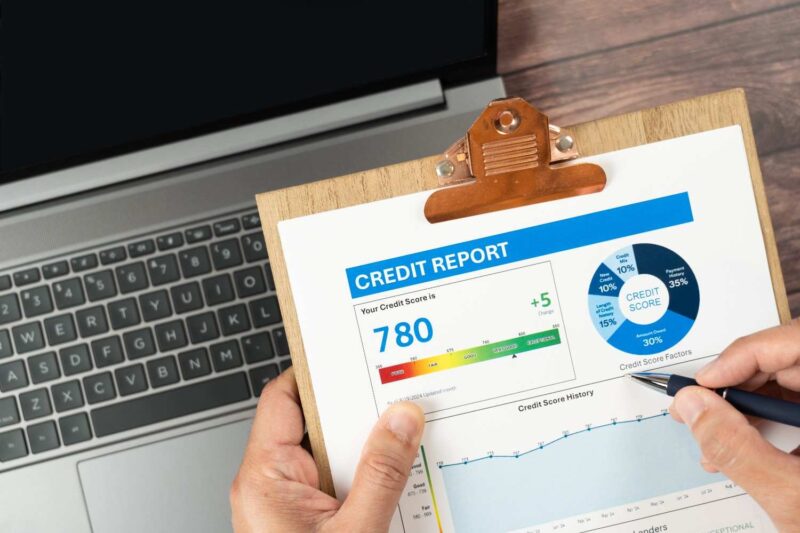
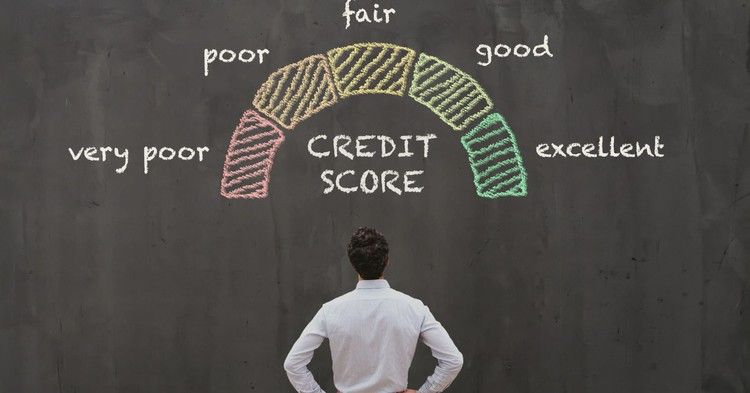
A few years ago, most people checked their credit score only when applying for a loan.
Today, many people monitor it regularly.
Yet one question continues to appear across loan applications, credit card discussions, and financial planning conversations:
“Is 720 a good credit score?”
The simple answer is yes.
The more useful answer is that a 720 credit score often creates opportunities—but the opportunities depend on what sits behind the number.
Many borrowers assume lenders make decisions solely based on credit scores.
In reality, lenders are usually trying to answer a different question:
Can this person comfortably manage future repayments?
A credit score helps provide clues, but it does not tell the entire story.
Understanding that difference can help borrowers make smarter financial decisions instead of obsessing over a single number.
What Can a 720 Credit Score Get You in India?
A 720 credit score in India is generally considered a good credit score and may improve eligibility for personal loans, home loans, and credit cards. Many lenders view a 720 score as a sign of responsible credit behavior, although approval decisions also depend on income, employment stability, repayment capacity, and existing financial obligations. While borrowers often target a score of 750 or above, a 720 score already places many applicants in a favorable position for various financial products.
Pro Tip
The biggest mistake borrowers make is focusing only on the score. Many lenders care just as much about your repayment behavior, debt levels, and overall financial stability. A borrower with a 720 score and strong financial habits may be viewed more favorably than someone with a higher score but inconsistent money management.
What Does a 720 Credit Score Actually Mean?
A 720 credit score generally indicates responsible credit behavior and a relatively healthy borrowing history.
What Lenders Usually See
When a lender reviews a score of 720, they often see evidence of:
- Consistent repayment habits
- Moderate credit utilization
- Established credit history
- Lower risk compared with many borrowers
However, lenders rarely stop their evaluation there.
They also review:
- Monthly income
- Existing EMIs
- Employment stability
- Banking behavior
- Overall repayment capacity
Key Takeaway
A 720 score often creates a positive first impression, but financial behavior determines the final decision.
Why a 720 Score Means Different Things for Different Borrowers
One of the biggest misconceptions in personal finance is that two people with identical scores will receive identical outcomes.
That rarely happens.
Real-Life Example
Borrower A:
- Credit score: 720
- Stable salaried job
- Low debt obligations
- Emergency savings available
Borrower B:
- Credit score: 720
- Multiple ongoing loans
- High monthly obligations
- Limited savings buffer
Both have the same score.
Yet lenders may assess them very differently.
This happens because a credit score summarizes financial behavior but does not fully explain financial circumstances.
Key Takeaway
The score starts the conversation. Your overall financial profile often determines the outcome.
Is 720 CIBIL Score Good?
Yes, a 720 CIBIL score is generally considered good in India.
Many lenders view it as a sign that a borrower has managed credit responsibly over time.
Why Borrowers Undervalue a 720 Score
Many online discussions make it seem like anything below 750 is inadequate.
That is not always accurate.
A 720 score is often significantly stronger than the national average credit profile and may support eligibility for multiple financial products.
Industry Observation
The difference between a borrower with a 720 score and a borrower with a 620 score is often far more significant than the difference between a 720 score and a 770 score.
What Can I Get With a 720 Credit Score?
A 720 score may improve access to several financial products, including:
- Personal loans
- Home loans
- Credit cards
- Vehicle loans
- Consumer financing products
However, eligibility always depends on multiple factors.
Practical Insight
Think of a credit score as a key.
It may help unlock opportunities.
But lenders still examine whether the overall financial profile fits their lending criteria.
Key Takeaway
A strong score creates possibilities, but financial stability remains equally important.
720 Credit Score Personal Loan: What Borrowers Should Know
A common assumption is that borrowers should wait until reaching 750 before applying for a personal loan.
That is not always necessary.
Many lenders evaluate:
- Income stability
- Employment history
- Existing debt
- Repayment capacity
- Credit history
Practical Example
A borrower earning a stable salary with a 720 score may be viewed more favorably than someone with a higher score but inconsistent income patterns.
Key Takeaway
Personal loan approval depends on both credit quality and financial stability.
720 Credit Score Home Loan: Is It Enough?
A 720 credit score may support home loan eligibility with many lenders.
However, home loans involve larger amounts and longer repayment periods, so additional evaluation is common.
Lenders may review:
- Property details
- Down payment capability
- Income consistency
- Existing liabilities
- Overall credit profile
Homebuyer Insight
Many successful home loan applicants do not have perfect scores.
What they often have is a stable financial foundation.
Key Takeaway
A strong repayment capacity often matters as much as the credit score itself.
720 Credit Score Credit Card Limit: Does the Score Decide Everything?
Many borrowers believe credit card limits are determined solely by credit score.
That is rarely true.
Factors That Influence Credit Card Limits
- Income level
- Existing credit exposure
- Repayment history
- Internal lending policies
- Overall credit profile
Two individuals with identical scores may receive very different credit limits.
Key Takeaway
Credit score influences decisions, but income and repayment behavior often carry significant weight.
Credit Readiness vs Credit Score: The Difference Most Borrowers Miss
This is one concept rarely discussed in credit score articles.
A strong score is valuable.
But credit readiness is often more important.
Example
Borrower A:
- Credit score: 720
- Stable income
- Emergency fund
- Low debt burden
Borrower B:
- Credit score: 780
- High obligations
- No emergency savings
- Financial stress
Many lenders may view Borrower A as equally attractive—or sometimes even more attractive.
Why This Matters
A credit score measures past behavior.
Credit readiness reflects your ability to handle future obligations.
Key Takeaway
The most financially prepared borrowers focus on both.
What a 720 Credit Score Cannot Tell a Lender
This is where many people misunderstand credit scoring.
A score does not reveal:
- Future income growth
- Career stability
- Savings habits
- Family responsibilities
- Financial goals
- Emergency preparedness
This is why lenders frequently request additional information during loan evaluations.
Expert Insight
Credit scores provide context.
They do not tell the complete financial story.
How to Go From 720 to 750 Credit Score
Many borrowers ask:
How to go from 720 to 750 credit score?
The answer is usually consistency rather than drastic action.
Practical Steps
- Pay every EMI on time
- Keep credit card utilization low
- Avoid multiple credit applications
- Maintain older accounts responsibly
- Monitor your credit report regularly
- Correct reporting errors promptly
Common Mistake
Many borrowers apply for several credit products hoping to improve their score quickly.
This may have the opposite effect.
Key Takeaway
Improvement often comes from patience and consistency rather than shortcuts.
720 vs 750 vs 770 Credit Score: Is There a Big Difference?
Many borrowers assume every additional point dramatically changes their financial opportunities.
That is not always the case.
| Credit Score | General Perception |
| 720 | Good |
| 750 | Very Good |
| 770 | Excellent |
| 800+ | Exceptional |
The Reality
The practical difference between 720 and 770 is often smaller than borrowers expect.
The larger difference is usually between borrowers who consistently manage credit well and those who do not.
Key Takeaway
Healthy financial habits often matter more than chasing a specific score milestone.
Can Someone Really Have a 900 Credit Score?
Yes.
A 900 score is the highest score on the CIBIL scale.
However, very few borrowers need a perfect score.
Many financial opportunities become available long before reaching 900.
Practical Perspective
Most lenders are looking for evidence of responsible financial behavior—not perfection.
First-Time Borrowers: Why a 720 Score Can Be Especially Valuable
For new-to-credit individuals, reaching a score of 720 often reflects responsible credit management.
However, lenders may still examine:
- Length of credit history
- Types of credit used
- Repayment consistency
- Overall borrowing experience
Important Insight
A newer borrower with a 720 score may still be evaluated differently from someone who has maintained that score for several years.
How to Check Your Credit Score Before Applying
Before making important borrowing decisions, review:
- Current score
- Active accounts
- Payment history
- Outstanding obligations
- Credit report accuracy
Borrowers can use Olyv’s credit score check facility to understand their current credit profile and identify areas that may require improvement before applying for loans or credit products.
FAQs – 720 Credit Score in India
What can a 720 credit score get me?
A 720 score may improve eligibility for personal loans, home loans, credit cards, and other credit products, subject to lender evaluation.
Is 720 credit score good or bad?
A 720 score is generally considered good and reflects responsible credit behavior.
Can I get a home loan with a 720 credit score?
Yes. Many lenders may consider home loan applications with a 720 score, provided other eligibility requirements are met.
Can I get a personal loan with a 720 credit score?
Yes. Personal loan approval typically depends on income, repayment capacity, and overall financial profile in addition to credit score.
How long does it take to move from 720 to 750?
The timeline varies based on repayment behavior, credit utilization, and overall credit management habits.
Is 770 credit score significantly better than 720?
Both are strong scores. The practical difference is often smaller than many borrowers expect.
Can someone have a 900 credit score?
Yes. A 900 score is the highest score on the CIBIL scale.
Does a higher credit score guarantee approval?
No. Lenders evaluate multiple factors beyond the score itself.
Conclusion
A 720 credit score in India is often a sign that you are already on the right track.
But the most successful borrowers understand something important:
Credit scores are indicators, not destinations.
A score of 720 may help create opportunities for personal loans, home loans, and credit cards. Yet long-term financial success comes from the habits behind the score—consistent repayments, responsible borrowing, and financial discipline.
Instead of focusing only on whether your score is good enough, focus on becoming financially ready for the opportunities you want to pursue. That approach often delivers better results than chasing numbers alone.