

Planning to apply for a loan in the near future? Whether it is a personal loan, car loan, or home loan, your credit score is an important factor in getting the loan approved and the interest rate. If your credit score is a little low, the good news is that you can improve credit score in 30 days.
While dramatic changes may take longer, focused action within one month can make a noticeable difference. In this guide, you’ll learn how to improve credit score quickly, practical ways to boost credit score instantly, and what to avoid before applying for a loan.
Why 30 Days Matter Before a Loan Application
When you apply for a loan, lenders check:
- Credit score
- Repayment history
- Credit utilization
- Recent loan inquiries
- Existing debt
Even a 20–40 point increase can:
- Improve approval chances
- Reduce interest rates
- Increase eligible loan amount
That’s why taking 30 days to prepare your profile can be financially rewarding.
Step 1: Check Your Credit Report Immediately
Before you try to fix anything, understand your current position.
Download your credit report and review:
- Payment history
- Outstanding balances
- Credit utilization ratio
- Hard inquiries
- Errors or incorrect entries
Sometimes, your score drops due to reporting errors. Correcting mistakes is one of the fastest ways to boost credit score instantly.
Step 2: Lower Credit Utilization (Fastest Way to See Results)
Credit utilization refers to the ratio of the amount of credit being used to the total credit available.
For instance:
- Credit Limit: ₹1,00,000
- Outstanding Amount: ₹75,000
- Credit Utilization Ratio: 75%
It is advised to maintain a ratio of your credit utilization below 30%
Impact Illustration:
| Credit Utilization | Risk Perception | Possible Score Impact (Illustrative) |
| 0–30% | Low Risk | Positive impact |
| 31–50% | Moderate | Neutral/slight drop |
| 51–75% | High | Noticeable drop |
| 75%+ | Very High | Significant drop |
If you can pay down large balances quickly, you may improve credit score in 30 days significantly.
Step 3: Clear Overdue Payments Immediately
Late payments hurt your score more than any other factor.
If you have:
- Pending EMIs
- Overdue credit card bills
- Missed payments
Clear them immediately.
Even one recent late payment can lower your score sharply. Paying it off won’t erase the history, but it stops further damage and improves lender confidence.
If possible, request the lender to update the bureau quickly after payment.
Step 4: Avoid New Loan Applications
If you’re wondering how to improve credit score quickly, one simple rule is:
Stop applying for new credit.
Every loan or credit card application triggers a hard inquiry. Multiple inquiries within a short period signal financial stress.
For the next 30 days:
- Avoid applying for loans
- Avoid credit card upgrades
- Avoid buy-now-pay-later schemes
Stability helps your score recover.
Step 5: Increase Your Credit Limit (Smart Strategy)
If you have a good repayment record, you can request a credit limit increase.
Here’s how it helps:
- Same spending
- Higher credit limit
- Lower utilization ratio
Example:
- Old limit: ₹1,00,000
- Usage: ₹40,000 → 40% utilization
After increase:
- New limit: ₹2,00,000
- Usage: ₹40,000 → 20% utilization
This can boost credit score instantly without reducing spending.
Step 6: Pay More Than the Minimum Due
If you only pay the minimum amount on credit cards, interest keeps increasing and utilization remains high.
Instead:
- Pay full outstanding if possible
- Or pay a large chunk of it
This improves your credit profile faster within 30 days.
Step 7: Keep Old Accounts Active
Length of credit history matters.
Do not:
- Close your oldest credit card
- Shut down long-standing accounts
Older accounts show financial stability and help in long-term scoring improvement.
Step 8: Dispute Errors Quickly
If your report shows:
- Loans you never took
- Duplicate accounts
- Incorrect overdue status
File a dispute immediately with the credit bureau.
Correcting a mistake is one of the fastest legitimate ways to improve credit score in 30 days.
What You Cannot Fix in 30 Days
It’s important to stay realistic.
You cannot:
- Remove genuine late payments instantly
- Erase loan defaults immediately
- Delete valid hard inquiries
- Build long credit history overnight
Score improvement is about reducing current risk, not rewriting the past.
30-Day Credit Improvement Action Plan
Here’s a practical plan you can follow:
| Week | Action Focus | Expected Impact |
| Week 1 | Check report & clear overdue EMIs | Stops further damage |
| Week 2 | Reduce credit card balances below 30% | Quick score boost |
| Week 3 | Avoid new inquiries & monitor updates | Stability improves perception |
| Week 4 | Request limit increase & verify corrections | Further optimization |
Following this structured approach increases your chances of visible improvement before loan application.
How Much Can You Realistically Improve?
Improvement depends on your starting score.
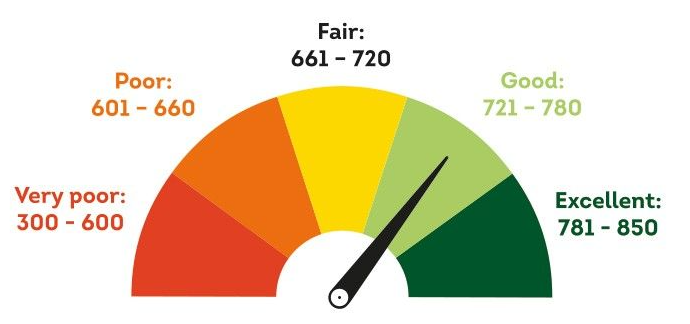
- If score is 720 → You may reach 740–760
- If score is 650 → You may gain 20–50 points
- If score is below 600 → Improvement may take longer
Consistency matters more than shortcuts.
Role of Credit Monitoring Platforms
Tracking progress is important.
Many digital financial platforms, including apps like Olyv, allow users to monitor their credit profile and understand score movements. Regular monitoring helps you:
- Identify improvement areas
- Track utilization changes
- Avoid unnecessary applications
Monitoring does not hurt your score because it generates a soft inquiry.
Mistakes to Avoid Before Applying for a Loan
If you want to improve credit score in 30 days, avoid these common mistakes:
Applying for multiple loans at once
Closing old credit cards suddenly
Taking short-term high-interest loans
Ignoring small overdue amounts
Using full credit limit
Small missteps can delay progress.
Does Paying All Debt Instantly Boost Score?
Not always instantly, but it helps.
When you clear high balances:
- Utilization drops
- Risk perception reduces
- Score gradually improves
However, updates depend on billing cycles and bureau reporting dates.
Long-Term Strategy Beyond 30 Days
While this guide focuses on short-term improvement, long-term habits matter most.
To maintain a strong score:
- Pay EMIs on time every month
- Keep utilization low
- Maintain a mix of secured and unsecured credit
- Limit hard inquiries
- Review credit report every 3–6 months
Financial discipline ensures lasting improvement.
Final Thoughts
If you’re preparing for a loan, taking one month to optimize your profile is a smart move. You can improve credit score in 30 days by focusing on utilization reduction, clearing overdue payments, avoiding new applications, and correcting errors.
If you’re wondering how to improve credit score quickly, remember this: reduce risk signals. Lenders reward stability, consistency, and responsible behavior.
While you may not see a dramatic overnight jump, disciplined action can certainly boost credit score instantly in measurable ways within a month.
Before applying for the next loan, give yourself 30 days to improve your financial situation. This small act can result in lower interest rates, higher chances of loan approval, and greater financial confidence.



This post provides some great advice for anyone looking to improve their credit score quickly! I totally agree with the focus on credit utilization—it’s one of the easiest ways to see a boost in your score within a short time frame. It’s also so important to catch any errors on your credit report—many people overlook this step.
Thanks for the practical tips on improving credit score before applying for a loan. I especially appreciated the emphasis on checking your credit report early — it’s amazing how often errors can drag down your score without you even knowing. Lowering credit utilization definitely seems like the most straightforward way to see quick results, and it’s great that you highlighted that 20–40 point jumps can make such a big difference in approval chances and interest rates.