Can You Get a Loan Without a CIBIL Score?
Yes, some lenders may evaluate borrowers even if they do not have a CIBIL score. Instead of relying only on traditional credit history, lenders may review income stability, banking activity, employment consistency, and overall repayment capacity.
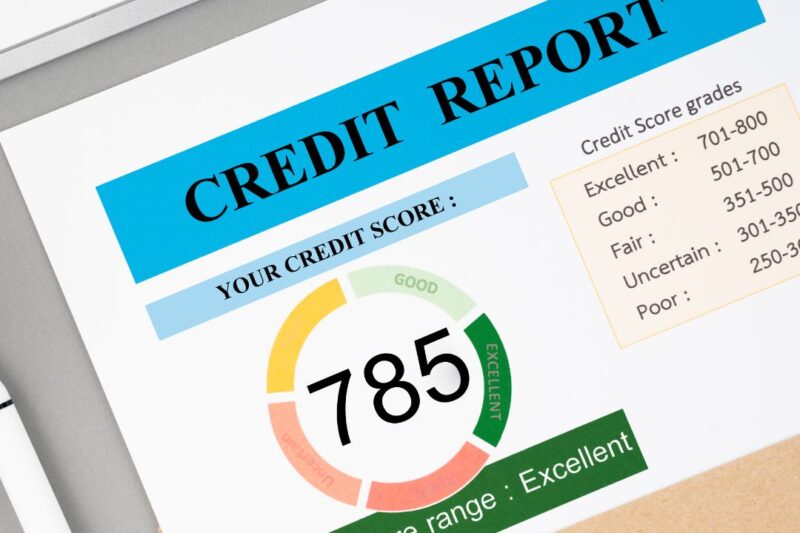
Having no CIBIL score is not the same as having a poor credit score. In many cases, it simply means the borrower is new to credit and has not yet built a credit history.
Key Takeaway: A no CIBIL score profile indicates limited credit history, not necessarily financial risk.
What Does No CIBIL Score Mean?
A no CIBIL score status means there is not enough borrowing information available for a credit bureau to generate a credit score.
Most people develop a credit score only after using products such as:
- Credit cards
- Personal loans
- Consumer durable loans
- Vehicle loans
- Other reported credit facilities
If none of these products have been used, a score may not be generated.
Common Reasons People Have No CIBIL Score
First-Time Salaried Employees
Many professionals begin working without ever using a credit product.
Students Entering the Workforce
Graduates often start their careers without any formal credit history.
Freelancers and Self-Employed Professionals
Some individuals rely on savings and income rather than credit.
Gig Economy Workers
Digital workers may have extensive banking activity but limited formal credit records.
Key Takeaway: No CIBIL score is extremely common among first-time borrowers.
What Is an NH Score in CIBIL?
NH stands for No History.
An NH status appears when there is insufficient borrowing activity to generate a credit score.
NH Score vs Low Credit Score
Many borrowers confuse these terms.
An NH status indicates no established borrowing record.
A low credit score indicates an established credit record that may contain risk indicators such as missed repayments or high credit utilization.
| Factor | NH Score | Low CIBIL Score |
| Credit History | Minimal | Available |
| Score Generated | No | Yes |
| Borrowing Track Record | Limited | Established |
| Typical Borrower | First-time borrower | Existing borrower |
Key Takeaway: NH status is generally associated with new-to-credit borrowers rather than credit challenges.
No CIBIL Score vs No Credit History vs Low Credit Score
Understanding these differences can help borrowers choose the right financial products and avoid confusion.
| Factor | No CIBIL Score | No Credit History | Low Credit Score |
| Credit Data Available | Limited | None | Available |
| Score Generated | No | No | Yes |
| Borrowing Experience | Minimal | None | Existing |
| Common User Profile | New-to-credit | First-time borrower | Credit-experienced borrower |
This distinction is important because lenders often use different evaluation approaches for each category.
Can You Get a Personal Loan Without a CIBIL Score in India?
Some lenders may evaluate applications even if a borrower does not have a credit score.
Instead of focusing solely on credit bureau records, lenders may assess overall financial behavior.
Financial Indicators Commonly Evaluated
- Monthly income consistency
- Salary credits
- Bank transaction patterns
- Employment stability
- Existing financial commitments
- Savings behavior
Real-World Example
A software engineer earning ₹45,000 per month may not have a credit score if they have never used a credit card or loan.
In such situations, lenders may review salary credits, employment records, and bank account activity to understand repayment capacity.
Key Takeaway: Financial behavior often becomes more important when traditional credit history is unavailable.
How Lenders Evaluate First-Time Borrowers Without a Credit Score
Modern lending systems increasingly use broader risk assessment models.
Common Evaluation Factors
| Evaluation Factor | Why It Matters |
| Income Stability | Indicates repayment ability |
| Bank Activity | Shows financial consistency |
| Employment Status | Demonstrates earning reliability |
| Existing Obligations | Measures affordability |
| Savings Pattern | Reflects financial discipline |
Why Alternative Credit Assessment Is Growing
India’s digital financial ecosystem generates more financial data than ever before.
This allows lenders to evaluate repayment potential beyond traditional credit scores.
Key Takeaway: Alternative credit assessment helps lenders understand financial reliability when credit history is limited.
Common Challenges Faced by New-to-Credit Borrowers
Many first-time borrowers face challenges that are unrelated to income.
Limited Credit Bureau Data
Lenders have fewer historical records available.
Lack of Previous Repayment History
No borrowing track record means less data for risk evaluation.
Documentation Gaps
Incomplete financial records can affect the application process.
Credit Awareness Issues
Many borrowers do not understand how credit scores are generated.
Key Takeaway: Most challenges arise from limited information rather than poor financial behavior.
How to Improve Eligibility for a Loan Without a CIBIL Score
Borrowers can strengthen their financial profile before applying.
Maintain Consistent Salary Credits
Regular income demonstrates stability.
Use a Primary Bank Account
Consistent banking activity provides a clearer financial picture.
Avoid Multiple Applications
Submitting numerous applications within a short period may reduce approval chances.
Keep Documentation Ready
Common documents include:
- PAN
- Aadhaar
- Income proof
- Employment details
Borrow Responsibly
Applying for realistic loan amounts can improve overall eligibility.
Key Takeaway: Financial discipline often improves approval prospects more effectively than frequent applications.
How to Build a CIBIL Score After Your First Credit Product
One of the most overlooked aspects of borrowing is credit-building.
Your first loan or credit card can help establish a credit profile.
Good Practices
- Make repayments on time
- Avoid missed EMIs
- Maintain low credit utilization
- Monitor repayment schedules
- Avoid excessive borrowing
Why Building Credit Matters
A strong credit profile may improve future access to financial products and potentially lead to better borrowing opportunities.
Key Takeaway: Responsible borrowing helps create a stronger long-term financial foundation.
Common Myths About No CIBIL Score Loans
| Myth | Reality |
| No CIBIL score means rejection | Some lenders evaluate alternative factors |
| NH status means bad credit | NH means no established credit history |
| Income does not matter | Income stability is often important |
| All lenders follow the same process | Evaluation methods vary |
| Building a credit score is difficult | Responsible borrowing helps over time |
The Future of Lending for New-to-Credit Borrowers
The lending ecosystem is evolving rapidly.
New technologies such as:
- Alternative credit scoring
- Cash-flow-based assessment
- AI-driven underwriting
- Digital banking analysis
- Account Aggregator frameworks
are helping lenders better understand borrower behavior.
As these systems mature, access to credit may become more inclusive for borrowers who have limited traditional credit history.
Industry Insight: The future of lending is increasingly focused on financial behavior rather than credit scores alone.
FAQs – No CIBIL Score Loan Online India
What is NH in a CIBIL report?
NH means No History and indicates insufficient credit activity to generate a score.
Can I get a personal loan without a CIBIL score?
Some lenders may evaluate borrowers using alternative financial indicators such as income and banking behavior.
Does salary create a CIBIL score?
No. A salary alone does not generate a credit score.
How long does it take to build a CIBIL score?
The timeline varies based on borrowing activity and repayment behavior.
Is no CIBIL score the same as poor credit?
No. No CIBIL score generally means limited borrowing history rather than poor repayment behavior.
Can students have no CIBIL score?
Yes. Many students and recent graduates have not yet established a credit history.
What is a credit-invisible borrower?
A borrower with little or no formal credit history despite participating in the financial system.
How do lenders assess first-time borrowers?
They may review income stability, banking activity, employment consistency, and repayment capacity.
Can I build a credit score after my first loan?
Yes. Responsible repayment behavior can help establish a credit profile over time.
Why do lenders review bank statements?
Banking activity provides insight into financial behavior and repayment capacity.
Conclusion
Having no CIBIL score does not automatically indicate financial risk. For many individuals, it simply reflects a lack of formal borrowing history. As lending models evolve, more emphasis is being placed on income consistency, financial behavior, and repayment capacity.
For first-time borrowers, understanding how lenders assess applications without a credit score can help make the borrowing process more transparent and support the development of a stronger financial future.