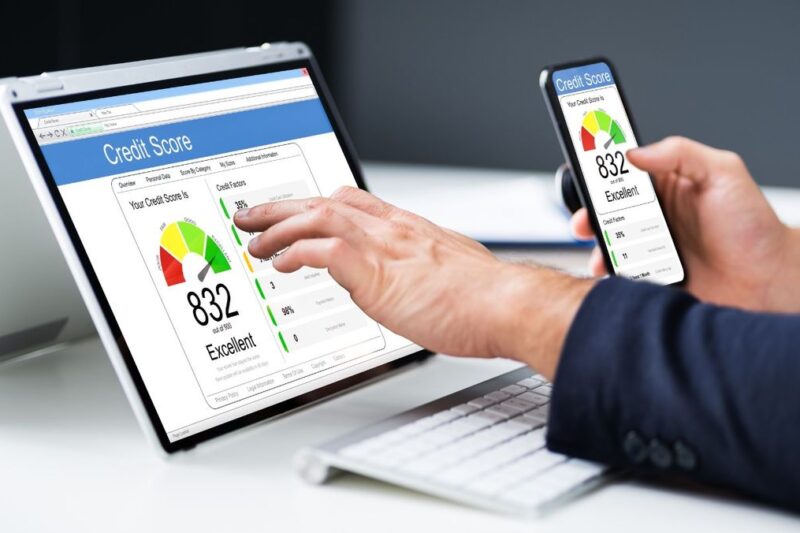
Understanding the types of credit scores is very important if you plan to take loans or use credit cards in India. Many people think there is only one credit score, but that is not fully true. In India, different credit bureaus calculate scores in slightly different ways. Knowing how these scores work helps you make better financial decisions and avoid loan rejections.
In this blog, we will clearly explain the types of credit scores, how they are calculated, why they matter, and how platforms like Olyv help users track and understand their credit health easily.
What Is a Credit Score?
A credit score is a numerical representation, consisting of three digits, that indicates how well you handle the money that you have borrowed. It is usually calculated based on your repayment history, credit usage, loan types, and credit age.
In general, the scores range from 300 to 900. Thus, the higher the score, the lesser is the risk for the lenders.
What accounts for the different types of Credit Score?
The main reason for the existence of several types of credit scores is that India has several credit bureaus. Each bureau collects information from the banks as well as the NBFCs, and based on that information, it provides the score using its own model. Although the difference in scores may not be that significant, the lenders might still favour one bureau’s score over another.
This is the reason checking all of the credit score types would give you a better understanding of your credit health.
Credit Score Types in India
Here are the main types of credit scores that lenders in India depend on.
1. CIBIL Score (TransUnion CIBIL)
CIBIL is the leading credit bureau in India that everyone else uses.
- Score range is 300-900
- It is preferred by banks and NBFCs.
- Approval is based on the repayment history, credit used, and credit age.
Anything over a score of 750 is considered good. This score is checked first by many lenders when they approve a loan.
2. Experian Credit Score
Experian is yet another well-known bureau that renders comprehensive reports.
- Score range is 300 to 900
- It forms an emotional and trend analysis of the customers’ spending habits
- It is frequently applied to online and personal loans.
Many consumers monitor their Experian scores through applications like Olyv, which makes the process of credit monitoring less complicated.
3. Equifax Credit Score
Equifax has a very strong focus on repayment habits and patterns.
- Score range is 300 to 900
- It is most commonly used by banks and big institutions.
- It is good for long-term borrowers.
This is among the most important credit score types in India, especially for those working in the salaried sector.
4. CRIF High Mark Credit Score
CRIF High Mark is a score that banks and other commercial financial institutions have a high preference for.
- Score range is 300 to 900
- Mainly covers the borrowers of rural and semi-urban areas
- Tracks micro-loans and small EMIs well
It plays a major role in loans given through fintech platforms.
Types of Credit Score in India – Quick Comparison
| Credit Bureau | Score Range | Common Usage |
| CIBIL | 300–900 | Banks & NBFCs |
| Experian | 300–900 | Personal & digital loans |
| Equifax | 300–900 | Long-term banking loans |
| CRIF High Mark | 300–900 | NBFC & micro-loans |
This credit score range chart helps you understand how lenders view your profile across bureaus.
3 Types of Credit Score Lenders Commonly Focus On
Although multiple scores exist, lenders mainly evaluate these 3 types of credit scores,
- Score from the first credit bureau (mostly CIBIL)
- Experian or Equifax risk-based score
- CRIF alternative score for small or quick loans
Get familiar with these types of credit scores, and your acceptance likelihood will increase.
The Importance of Getting to Know the Types of Credit Scores
Different types of credit score knowledge empower you to,
- Eliminate the uncertainty caused by score differences
- Understand the lender’s decisions
- Do the necessary corrections in certain reports
- Boost the whole credit health
Platforms like Olyv make it easy for users to track their scores and also detect changes at an early stage.
Is It True That All Lenders Verify the Same Credit Score?
Not really. In India, each lender uses a different type of credit score.
- Banks usually opt for CIBIL
- NBFCs generally rely on Experian or CRIF
- Fintech lenders might merge scores
This is the reason why it would be insufficient to check only one score.
How to Raise All Types of Credit Scores
To maintain strong types of credit score, follow these habits,
- Make EMI payments on time
- Credit usage should not exceed 30%
- Apply for loans one at a time
- Do not close old credit accounts
- Examine credit reports periodically
Apps like Olyv help users track repayments and usage patterns, making improvement easier.
Common Myths Regarding Credit Scores
Myth – All credit scores are identical
Fact – There are different types of credit scores.
Myth – Checking the score will lower it
Fact – Soft inquiries do not have any impact on scores.
Myth – Income determines the credit score
Fact – Payment behaviour is much more important.
How frequently are credit scores updated?
The majority of types of credit scores are refreshed every 30–45 days, subject to reporting by the lender. If the banks report late, then the update may be delayed.
Regularly monitoring your score will help you to be informed and thus avoid any surprises.
Conclusion
Understanding the types of credit scores gives you better control over your financial future. Each bureau plays a role, and lenders may rely on different reports. Instead of focusing on just one number, track all types of credit scores in India to maintain strong credit health.
With smart repayment habits and tools like Olyv, you can stay informed, avoid rejections, and access better loan offers with confidence.