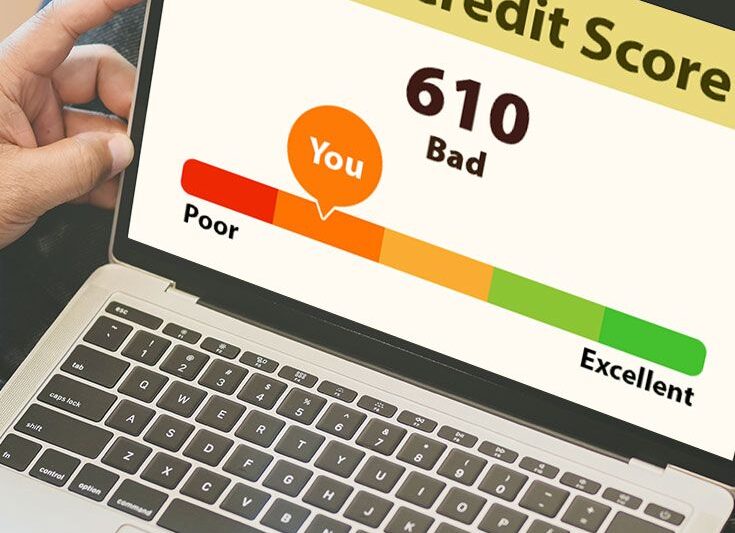
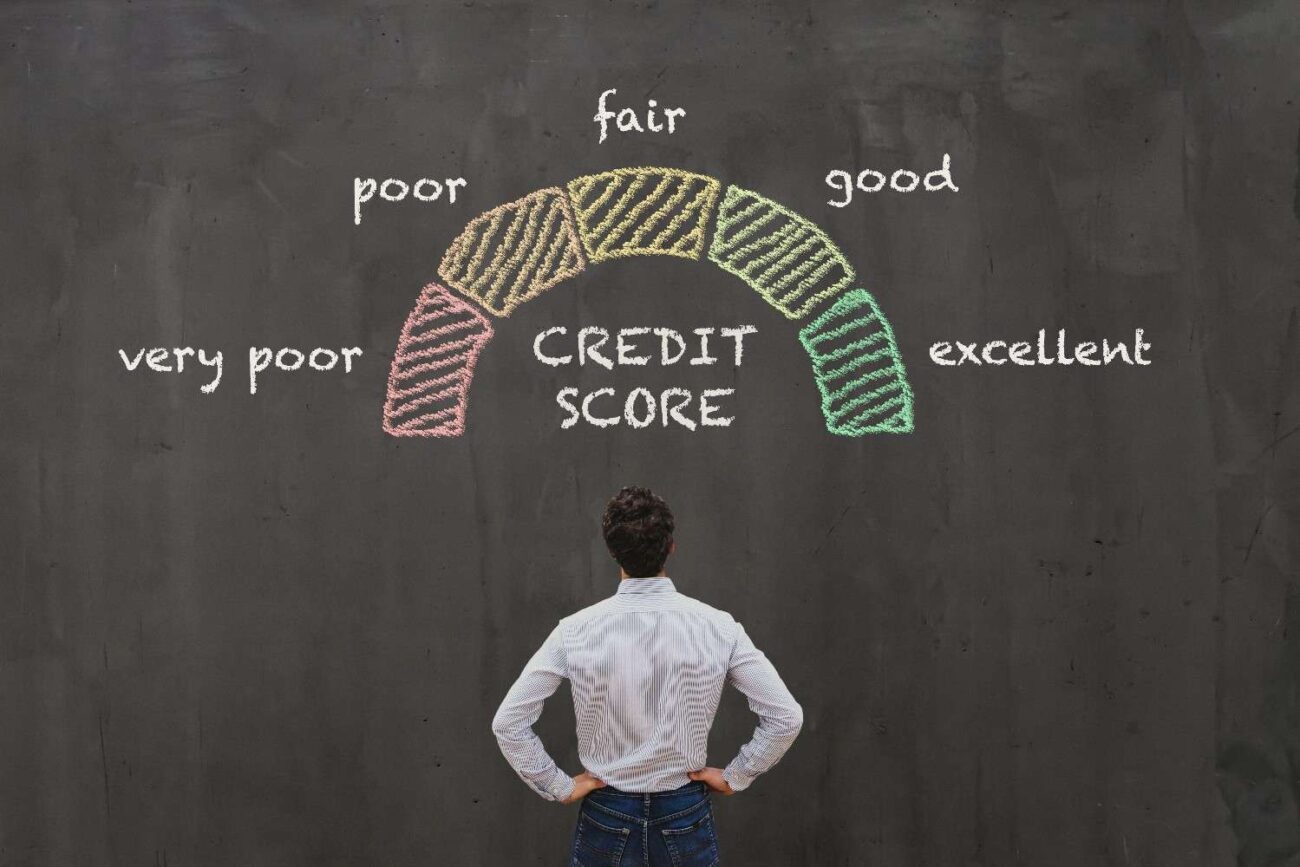
Your credit score decides whether you get a loan easily and at what interest rate. A higher score means lower interest and better offers. But what is the best credit score for low-interest loans? Let’s break it down in a simple way.
Olyv helps you check your credit score anytime, so you always know where you stand before applying for any loan.
Why Credit Score Matters?
A loan approval process commonly involves checking the borrower’s credit score by lenders. One’s credit score reflects the safety and responsibility of one’s borrowing activities.
A good score indicates,
- More favourable interest rates
- Rapid approval
- Higher loan amounts
- Less documentation
A poor score implies that you will probably pay higher interest rates or even get rejected.
Real-time updates are available through credit tracking platforms such as Olyv, which make it easy for users to track their credit.
What Credit Score Range Is Considered “Good”?
A credit score that usually falls under the “Good” or “Excellent” categories is the one that gets the lowest interest loans.
Here’s an example in table format,
| Credit Score Range | Rating | Loan Approval Chance |
| 750 – 900 | Excellent | Very high |
| 700 – 749 | Good | High |
| 650 – 699 | Fair | Moderate |
| 550 – 649 | Poor | Low |
| Below 550 | Very poor | Very low |
Mostly, banks offer a lower-interest loan to those with a credit score of 750+.
What Score Gets The Lowest Interest Rates?
The lowest rates are typically extended by lenders to those who are within this bracket.
- 750 to 900
- Clean repayment history
- Minimal credit card usage
- Consistent accounts and no missed EMIs
This range represents the ideal credit score for low-interest loans, particularly for personal loans, mortgage loans, and car loans.
Through Olyv, you are able to check your score once a month and find out what impacts your credit rating.
Score vs Interest Rate
| Score Range | Expected Interest Rate | Notes |
| 750 – 900 | Lowest | Best offers from banks & NBFCs |
| 700 – 749 | Moderate | Standard rates, fewer benefits |
| 650 – 699 | High | Usually higher interest |
| Below 650 | Very high | Some lenders may reject the loan |
If you want the best credit score for low-interest loans, staying above 750 is ideal.
How to Improve Your Score
In case your score is low, you may use simple yet effective habits to raise it,
- Paying EMIs and credit card bills promptly
- Keeping credit utilisation below 30%
- Checking your report via Olyv
- Disputing errors without delay
- Not applying for numerous loans at once
- Having older credit accounts active
It might take 3-6 months to improve your score, yet the advantages will be there for the long run.
Advantages of a High Credit Score
A high credit score is not just a means of lower interest rates. Besides, you additionally get,
- Pre-approved loans
- Higher loan amounts
- Longer terms
- Quicker processing
- Better limits on credit cards
Platforms like Olyv help you track every update so you can maintain these benefits.
Conclusion
The best credit score for low-interest loans is generally 750 and above. With a strong score, you get the lowest interest, quicker approvals, and better loan terms. If your score is below this range, it’s still possible to improve it.
Using Olyv, you can check your score, track changes, and fix issues before applying for a loan. Stay informed. Stay credit-healthy. And get the best interest rates with a strong credit profile.