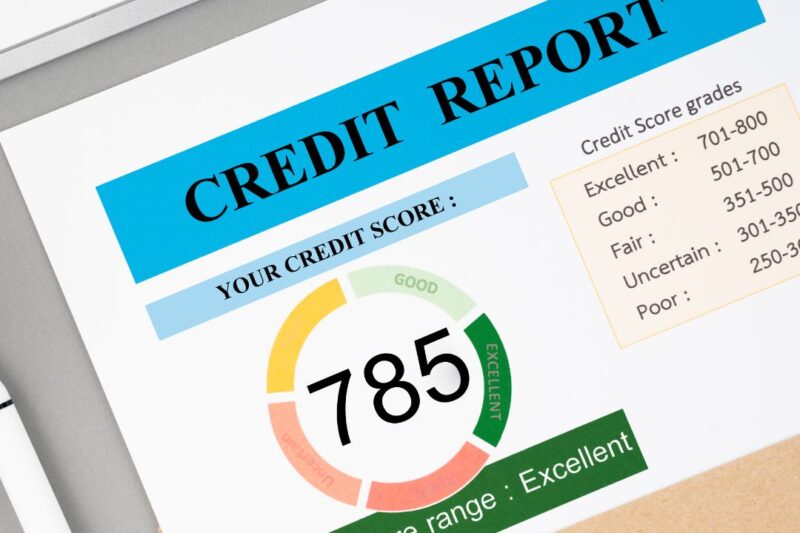

It is essential to comprehend your credit report. However, a lot of individuals are concerned that the act of checking their score will lead to a decrease in their credit. This scenario is the result of the misunderstanding of the term CIBIL hard enquiry, since most individuals have heard of it but don’t know how to operate.
Thus, let us simplify the whole issue.
Does Self-Check Use Your Score?
The succinct response is no. The act of checking one’s credit score does not at any time result in a CIBIL hard enquiry. It is actually a soft enquiry that is taking place. Soft checks do not harm. They do not have any impact on the credit score, such as lowering it.
The lenders can only see the hard enquiries whenever you submit your application for a loan or credit card. Those checks might slightly affect your score.
Platforms like Olyv also encourage borrowers to review their reports regularly. They explain these rules clearly so first-time borrowers feel confident and informed.
Difference Between Soft and Hard Enquiries
| Type of Enquiry | Who Does It? | Effect on Credit Score |
| Soft Enquiry | You or a lender for pre-approved offers | No impact |
| Hard Enquiry | Lender, when you apply for credit | Small dip |
If you check your own report, it stays private. No bank or NBFC treats it as a CIBIL hard enquiry.
When Does a Hard Enquiry Happen?
A hard inquiry occurs only in one of the following instances,
1. You apply for a finance loan.
2. You get a new credit card.
3. You apply for a higher credit limit.
4. You ask for the loan to be secured or unsecured.
Every single time, your lender will verify your credit history. These verifications will be recorded on your credit report.
If you make several applications in a row, your score might go down. That is why knowing about CIBIL hard enquiries helps you apply smartly.
Reasons for Hard Enquiries by Lenders
Lenders want to make sure you can repay the loan. So they check,
- Your previous payment behaviour
- Your credit utilisation
- Your total number of current loans
- Your credit history duration
- Your existing debts
All these constitute the loan approval credit check process. It is a way for lenders to determine the risk level of granting you credit.
How Many Hard Inquiries Are Acceptable?
- 1–2 hard inquiries per month is normal.
- 4–5 hard inquiries could mean that the lender may signal risk.
- Too many applications can make you look credit-hungry.
| Number of Hard Enquiries | Impact on Score |
| 1–2 | No major impact |
| 3–4 | Slight drop |
| 5 or more | High risk, the score may drop strongly |
How to Avoid Unnecessary Hard Enquiries
Below are a few intelligent steps,
1. Check Your Score Yourself First
This method is always secure. It never leads to a CIBIL hard inquiry. Soft checks give you access to better plans.
2. Compare Lenders Before Applying
Do not submit applications to every lender. Make use of trustworthy online platforms such as Olyv, wherein you may compare offers without affecting your score.
3. Use Pre-Approved Offers
Such offers include soft checks and thus do not have any impact on your score.
4. Apply Only When Needed
Think twice before applying for several loans at once.
Conclusion
Checking your own credit report is completely safe. It never creates a CIBIL hard enquiry. Only lenders create hard enquiries when you apply for a loan or credit card. Too many of these can reduce your score. Use soft checks to stay informed, compare lenders wisely, and apply only when necessary. Platforms like Olyv make the process easier by showing clear, simple, and transparent loan options without hurting your credit score.