Managing your finances isn’t just about budgeting or saving; it’s also about understanding your credit score information. Many people ignore their credit score and do not understand the benefits of having a good credit score. Credit score is the reflection of how you manage your finances. It allows you to gain access to various financial facilities like loans or credit cards. Lenders, banks and even landlords use it to decide how trustworthy you are with money. It is important to keep a check on your credit score once every 2 months. Hence, consider the score as your financial reputation, and it is important to maintain it. There are various authorized financial platforms to check your credit score. But with so many websites and apps promising “free reports,” you might be wondering: Where can you actually get your credit score information or which cibil score is accurate?
In this guide, we’ll break it down in simple terms and understand the step by step process to find the most accurate credit or cibil score information, so you’ll know exactly where to go, who to trust and how to check your score without feeling overwhelmed.
What is Credit Score Information and Why It Matters
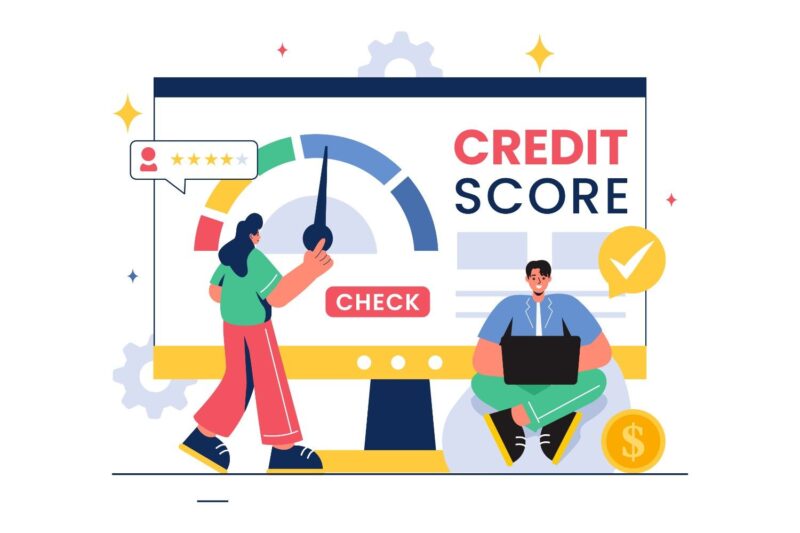
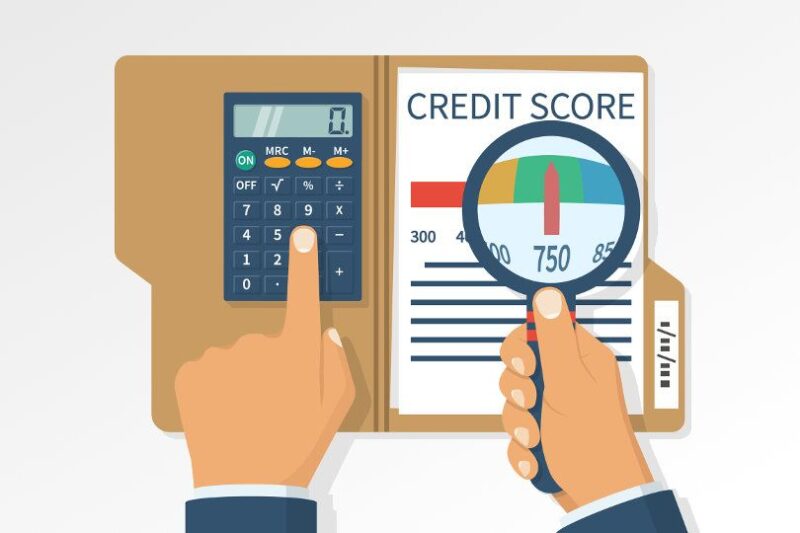
Your credit score information is basically your financial report card. It is a three-digit number that helps the lenders understand your level of responsibility with borrowing, repayment, credit usage, and overall financial behaviour. It acts as a sign of proof for the lenders, as they check your score to assess the risk of lending to you. The higher your score, the easier it becomes to get loans, credit cards and better interest rates. A higher score is a sign of maintaining a strong history of timely repayments and controlled borrowing, this will make you a more trustworthy borrower in the eyes of the financial lenders. With a good credit score, you are likely eligible to get faster loan approvals with low interest rates and higher credit limits. Meanwhile, a lower credit score will result in loan rejections, higher interest rates or stricter repayment terms. Scores typically range from 300 to 900, with anything above 750 considered excellent. Maintaining a good credit score requires effort and consistency. Regular checking your credit score will also help you spot errors and avoid your credit score to decrease.
A credit report is a part of your credit score information, and it is calculated using several key factors such as,
- Your repayment history
- Credit utilisation (how much of your available credit you use)
- Types of credit you have
- Length of your credit history
- Recent credit inquiries
Just like teachers use grades to understand a student’s progress, lenders use your credit score information to assess your ability to manage money responsibly.
Where to Find Accurate Credit Score Information
Many people rely on random apps or websites to check their credit scores, but not all sources are reliable. To get the most accurate credit score information, it’s best to go directly to official providers. Some of them are listed below,
1. Credit Bureaus
The most reliable way to access credit score information is through authorised credit bureaus. In India, the four main bureaus are:
- CIBIL (TransUnion CIBIL) – the most widely recognised
- Experian
- Equifax
- CRIF High Mark
Each bureau collects data directly from banks and financial institutions. While your CIBIL score is often the most commonly referenced, checking reports from all four bureaus can give you a fuller picture of your financial health. Every individual in India can get one free credit score check per year from each bureau.
2. Official Bank Websites and Mobile Apps
Many banks now allow you to check your credit score information on their websites or mobile apps. Banks like ICICI, HDFC and SBI provide customers with official reports from credit bureaus.
This is convenient and trustworthy, as your bank already has access to your financial data. The score is straight from an authorised bureau.
3. Government-Approved Platforms
Some government-backed platforms also let you view your credit score information online. These are secure and reliable if you want to avoid third-party apps.
4. Credit Monitoring Services
If you want more than just a one-time check, credit monitoring services can be useful. These services will notify you whenever there is a change in your credit score information and help you protect against identity theft or fraud.
While some services charge a small fee, they can be worth it if you are planning to apply for big loans like a home loan or business loan.
How to Avoid Fake or Inaccurate Credit Score Information
Not all websites offering “free credit score information” are trustworthy. Some only provide rough estimates, while others may misuse your personal data. Here’s how to protect yourself:
- Always verify if the source is linked to a credit bureau.
- Don’t give unnecessary personal details.
- Don’t rely on scores from random apps; they might not reflect your official CIBIL score.
- Check for HTTPS websites for secure browsing.
For truly reliable credit score information, always stick to authorised credit bureaus, banks, or government-approved platforms.
Why Checking Your Credit Score Information Matters
Monitoring your credit score information isn’t just for those applying for loans. It helps you stay on top of your financial health.
- Catch Errors Early – Some common credit report errors include mistakes in your personal info, accounts that do not belong to you, or wrong balances. Hence, keep a regular check once in a while every month on your credit score. This will avoid in unnecessary errors in your report that can lower your score
- Plan Better – Initially, many people do not maintain or manage cibil score. Later, this might affect them while applying for a loan. A low CIBIL score will result in delayed loan approvals. Hence, if your CIBIL score is low, you can work on improving it before applying for loans.
- Prevent Fraud – If any unauthorised accounts or loans are opened in your name, they will reflect on your credit report. Regularly checking your report helps you identify such issues early, report them promptly, and take corrective action to protect your credit score and financial security.
- Negotiate Better Rates – With a good credit score, you will have more leverage over lenders, which will enable you to negotiate better interest rates on personal loans, home loans, and other types of credit. This will help you reduce the cost of borrowing and make it easier to repay your loan in the long run.
Tips to Improve and Maintain a Healthy Credit Score
Now that you know where to find credit score information, here are some practical tips:
- Making timely payments for EMIs and credit card dues is one of the most significant considerations for maintaining a good credit score. When you make timely payments, it indicates to the lender that you are financially disciplined and responsible, which helps to establish trust and increases the chances of getting a loan or credit card approved.
- Credit utilization is the amount of your credit limit that you are using. If you are using less than 30% of your credit limit, it indicates that you are using credit wisely and are not dependent on credit. This will help you to maintain a good credit score.
- Applying for several loans or credit cards within a short period of time will lead to multiple credit inquiries, which can negatively affect your credit score. Applying for credit cards or loans too frequently can be an indication of financial difficulties.
- Checking your credit report regularly will help you to identify any mistakes, outdated information, or unauthorized accounts. Taking corrective measures at an early stage will help you to avoid any unnecessary harm to your credit score and will also ensure that the lenders have a clear picture of your financial activities.
- By keeping a good balance of secured credit, such as home or car loans, and unsecured credit, such as personal loans or credit cards, you demonstrate your ability to manage different types of credit responsibly. This helps improve your credit profile.
By following these habits, your credit score information will be strong, and loan approvals will be smooth and easy.
Frequently Asked Questions (FAQs):
Where can I get the most accurate credit score information in India?
The most authentic credit score information in India can be obtained from the official credit bureaus, such as CIBIL, Experian, Equifax, and CRIF High Mark. These credit bureaus obtain and update the credit information directly from banks and other financial institutions. You can also obtain this information through legitimate banking channels and authentic financial websites that obtain information from these credit bureaus.
Is the credit score shown on apps and websites reliable?
The credit score information available on apps and websites is authentic only if the website or app is legitimate and obtains information from a recognized credit bureau. Many apps offer free access to credit score information for ease of use, but authenticity depends on the frequency of the updates. Make sure that the app lists the credit bureau from which it obtains the credit score information.
Why do credit scores differ across bureaus?
Credit scores may differ from one credit bureau to another because each credit bureau has its own method of calculating the credit score, and the updates may be obtained from lenders at different times. Even changes in reporting, interpretation, and scoring systems can lead to minute differences, despite the overall credit position being similar.
Does checking my credit score frequently reduce my score?
Checking your own credit score does not affect your score. This is considered a soft inquiry, which does not affect your credit position. Only hard inquiries initiated by lenders can result in a slight impact on your credit score.
Conclusion:
Knowing where to get the most accurate credit score information can save you from confusion, mistakes and financial stress. While many apps give quick checks, only official credit bureaus, banks, and authorised platforms give true information.
So, from now on, if you want to check your credit score information, skip the guesswork. Go straight to trusted sources like CIBIL, Experian, Equifax or CRIF High Mark. You’ll get the most accurate information and also protect your financial identity.